|
EDUCATION  |
 |
Store by Category – Găsește rapid ceea ce contează pentru tine
Store by Category este secțiunea care organizează întreaga experiență Living & Money într-un mod simplu și intuitiv, oferind acces rapid la produse, servicii, informații și oportunități din cele mai importante domenii ale vieții moderne.
Fie că ești interesat de finanțe personale, sănătate, călătorii, modă, tehnologie sau educație, această secțiune îți permite să explorezi conținutul și ofertele relevante fără a pierde timp căutând printre numeroase pagini și articole.Ce vei găsi în Store by Category?De ce să folosești Store by Category?
- Finance – soluții financiare, sfaturi pentru gestionarea banilor și oportunități de dezvoltare economică.
- Elegance & Clothes – inspirație pentru stil, modă și produse care completează un stil de viață elegant.
- Health – informații și recomandări pentru sănătate, bunăstare și echilibru personal.
- Travel – destinații, ghiduri și resurse pentru călătorii memorabile.
- Computers & Software – tehnologie, aplicații și soluții digitale pentru afaceri și uz personal.
- Education – resurse educaționale, dezvoltare profesională și competențe digitale.
- Brands – branduri de încredere și parteneri selectați.
- Mall & Recreation – produse, servicii și activități pentru timpul liber și dezvoltare personală.
✔ Navigare rapidă și intuitivă
✔ Acces direct la categorii relevante pentru interesele tale
✔ Conținut actualizat și diversificat
✔ Produse, servicii și resurse selectate într-un singur loc
✔ Experiență simplificată pentru utilizatori și parteneri
Store by Category transformă Living & Money într-un punct central de informare și descoperire, unde utilizatorii pot găsi rapid soluții, inspirație și oportunități pentru un stil de viață modern, echilibrat și prosper.
On living-and-money.com, the "Store by Category" section is a directory-style shopping area that organizes products and services into broad categories rather than operating as a traditional online store. The site combines lifestyle content with shopping links and resources. (living-and-money.com)Main Store Categories
According to the website, the categories include:Additional Marketplace Features
- Finance – loans, credit, financial news, and money-management topics.
- Elegance – apparel, plus-size fashion, and footwear.
- Mall – general shopping and marketplace links.
- Brands – featured brands and product promotions.
- Health – wellness, disease information, healthy living, and healthcare topics.
- Travel – travel guides, hotels, vacations, and tourism content.
- Recreation – toys, self-help, and entertainment.
- Computers & Software – computers, antivirus software, web hosting, and related technology.
- Education – learning resources, JavaScript, AI, and educational materials.
- Clothes – fashion articles and clothing-related content. (living-and-money.com)
The "Store by Category" area also references:Purpose of the Section
- Agricultural marketplace listings ("Piata Agricola Romania")
- Buyer and seller directories
- Order-house services ("Casa de Comenzi")
- News sections covering clothes, travel, finance, and other topics. (living-and-money.com)
The site's goal is to bring together information about:
- Improving personal finances
- Health and wellness
- Travel opportunities
- Shopping and brands
- Education and technology
The "Store by Category" section acts as a navigation hub that helps visitors browse these topics and related offers from one place. (living-and-money.com)
If you'd like, I can also help create a cleaner, modern category description suitable for use on the living-and-money.com homepage or menu.






|
|
BuyOrSellMONEY |
REZULTATE
Pentru enunturi clic AICI
OPTICA
Intrebari:
I1=4, I2=2, I3=2, I4=3, I5=4, I6=2, I7=3,I8=2, I9=1, I10=3, I11=1,I12=2, I13=3, I14=2
|
OpG3 x_1=-60cm |
ELECTRICITATE
|
E1 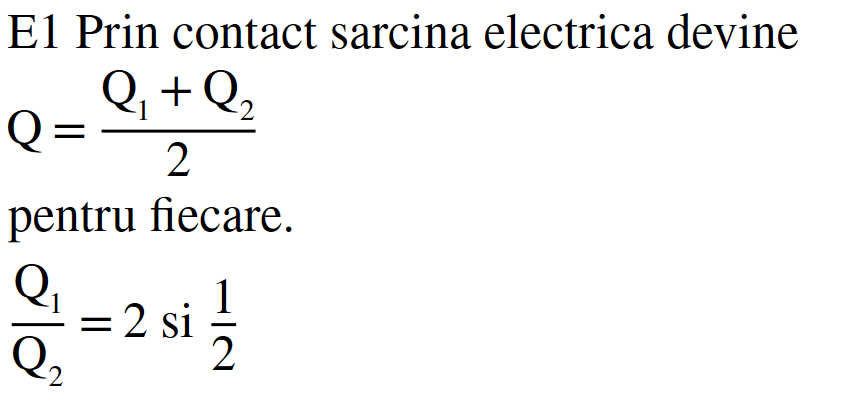 |
E2 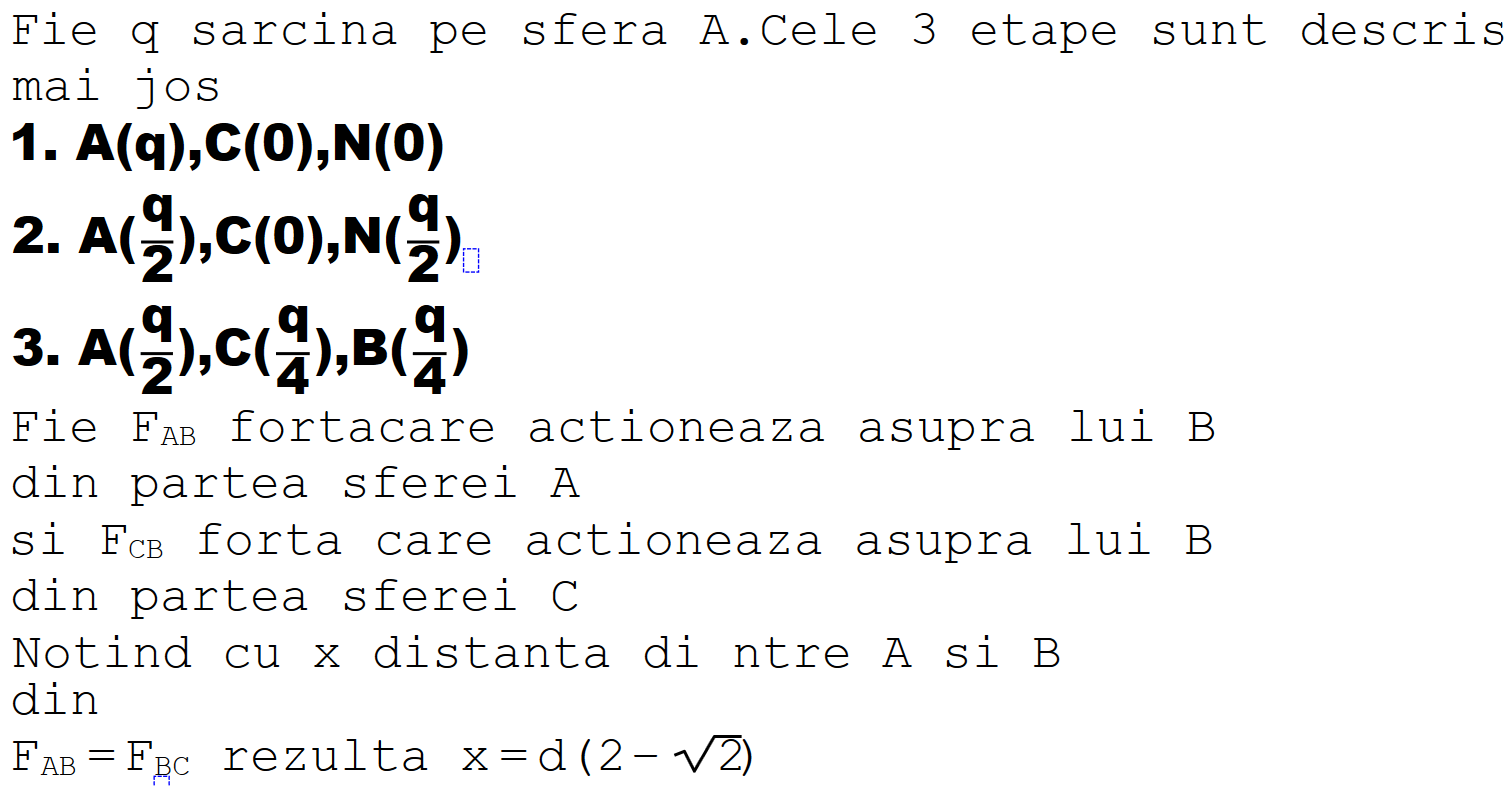 |
|
E12 Capacitatile intre bornele 1-2 din ambele montaje trebuie sa fie egale. La fel si intre bornele 2-3 respectiv 1-3. Rezulta relatiile: 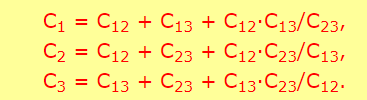 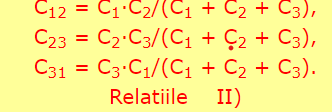 |
 E4-3 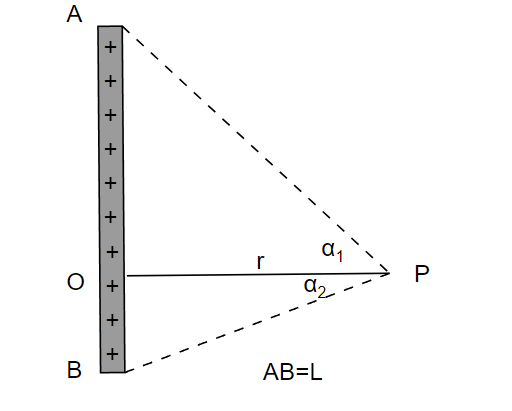 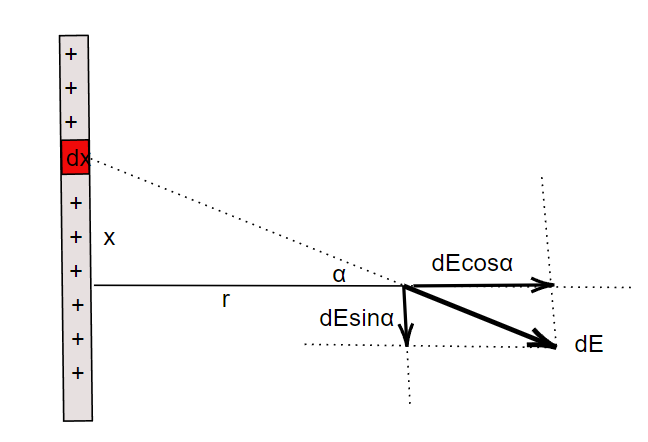 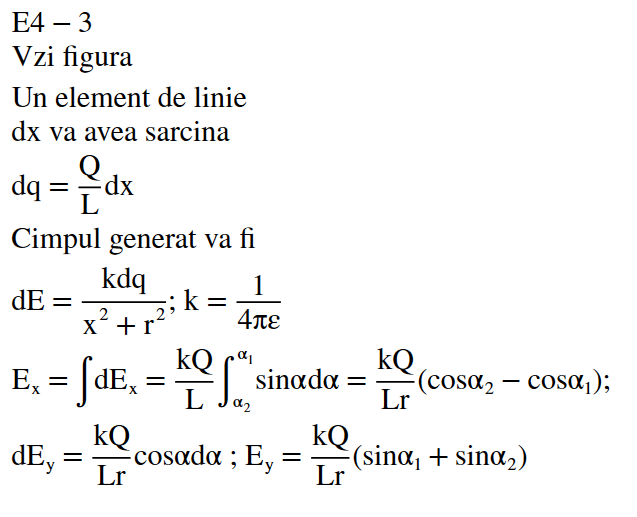 E4-4 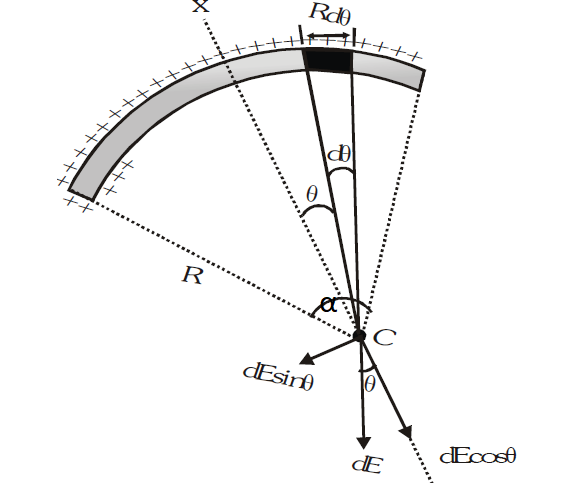 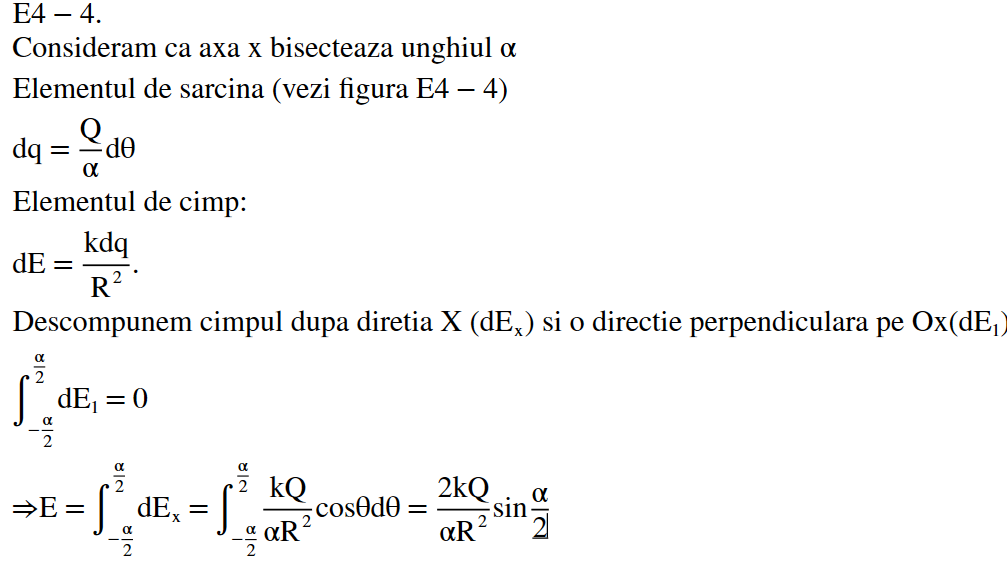 E4-5 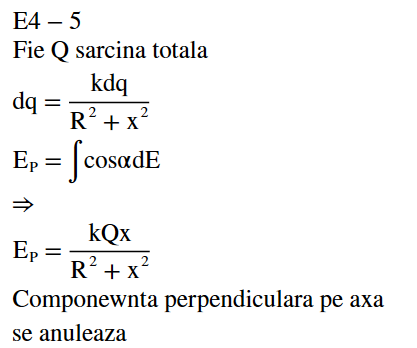 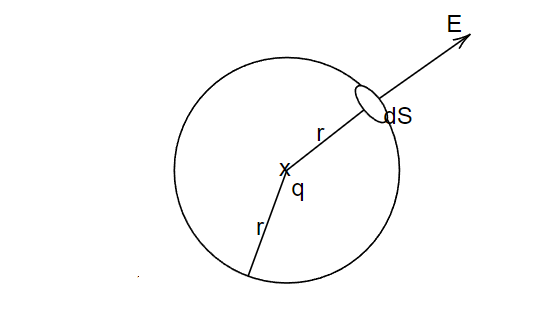 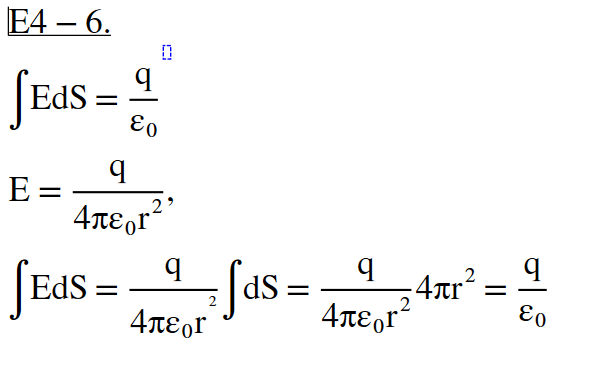 |
|
E16. Circuitele 7a si 7b se pot desena altfel: 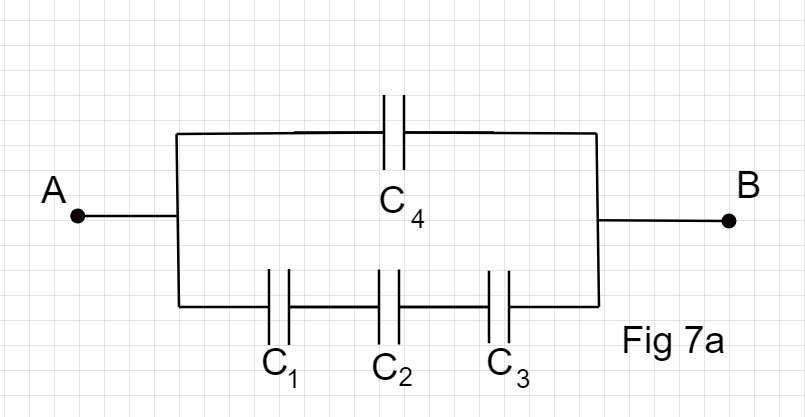 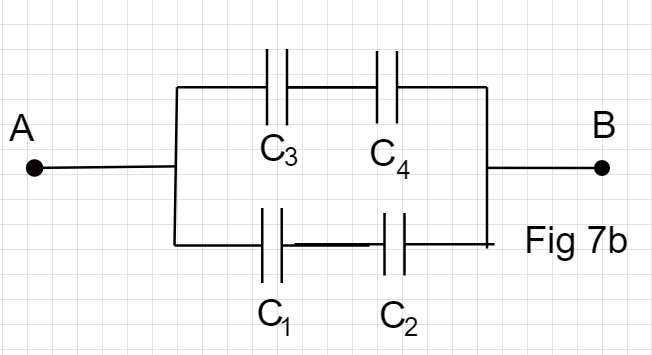 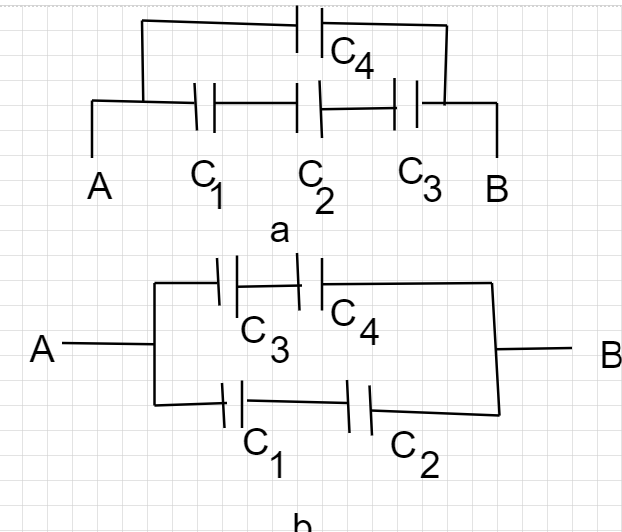 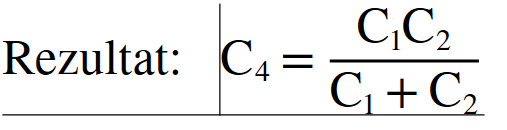 E19 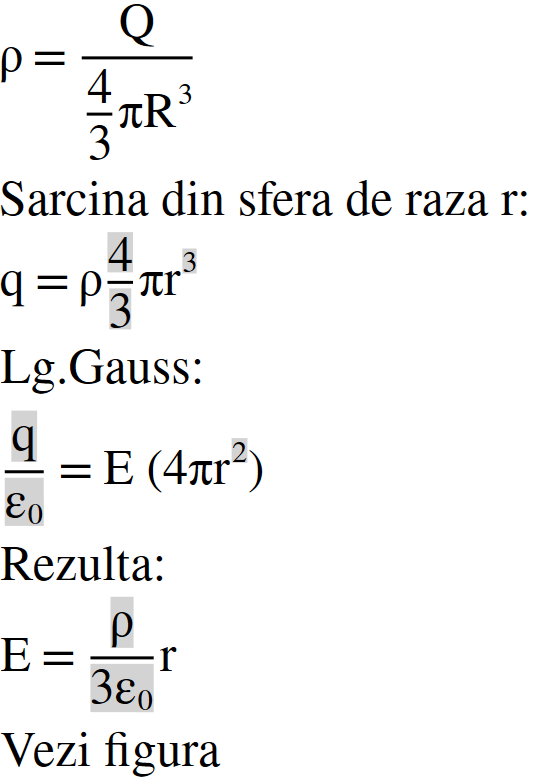 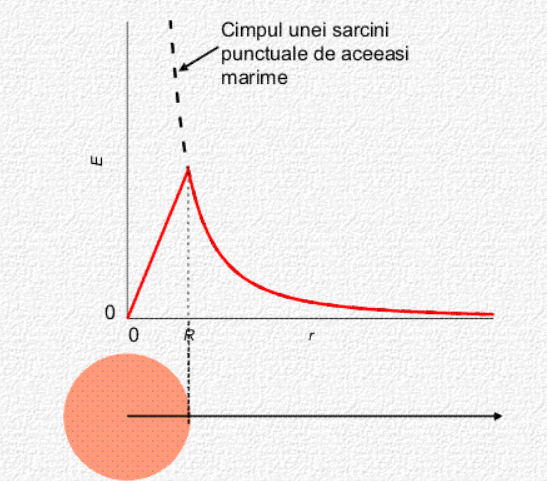 E40-1 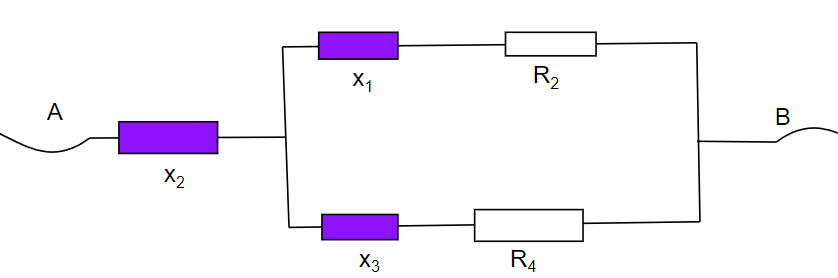 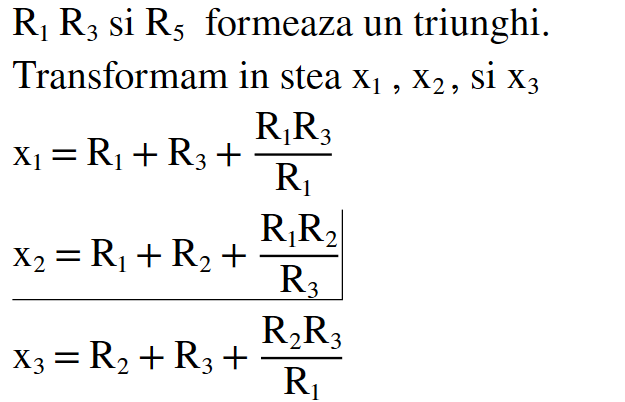 E50-1 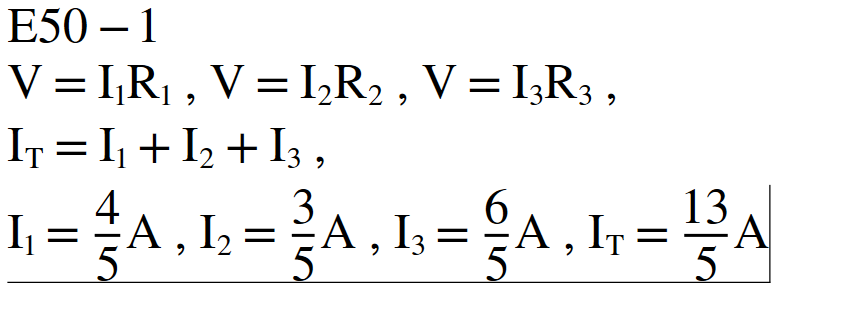 E50-2 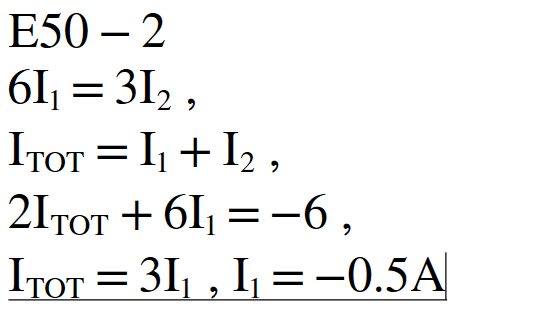 E50-3 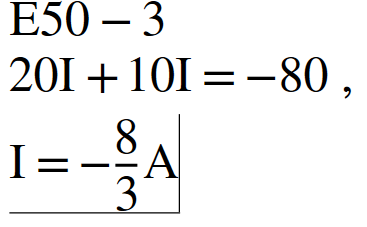 E50-4 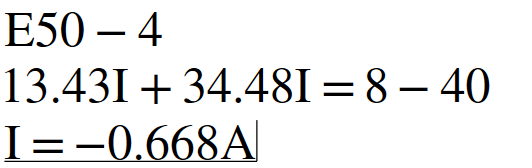 E50-5 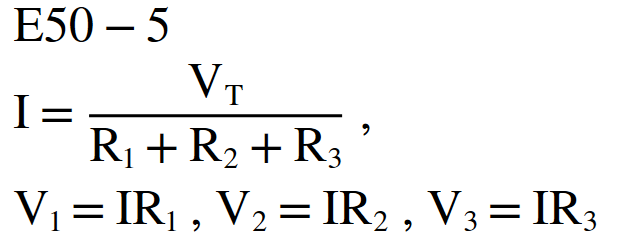 E50-6 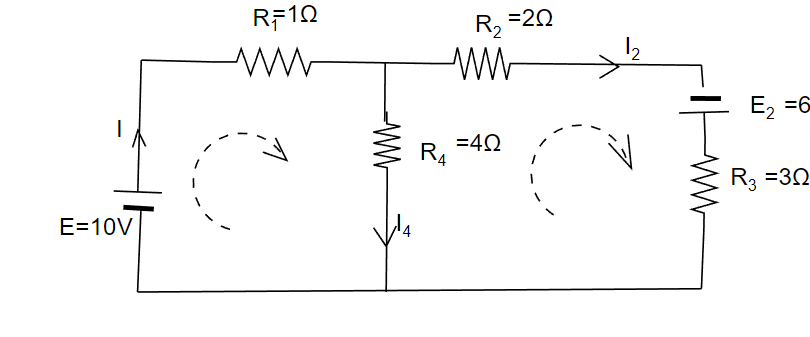 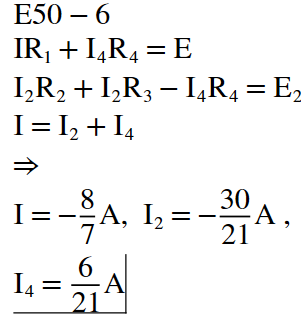 E50-23 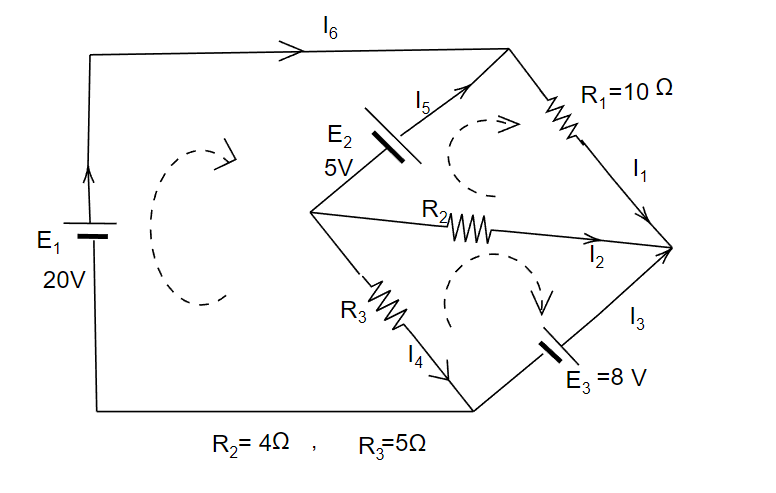 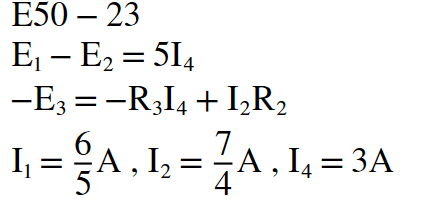 |
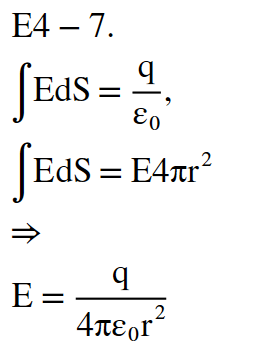 E5 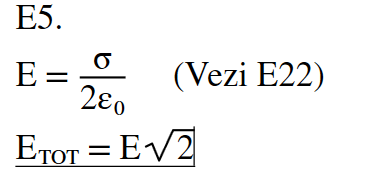 E5-1 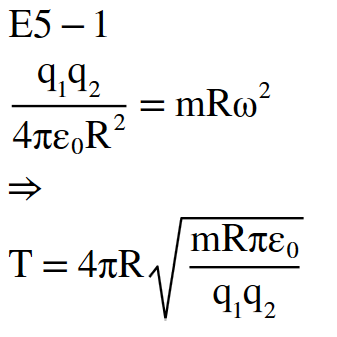 E5-2 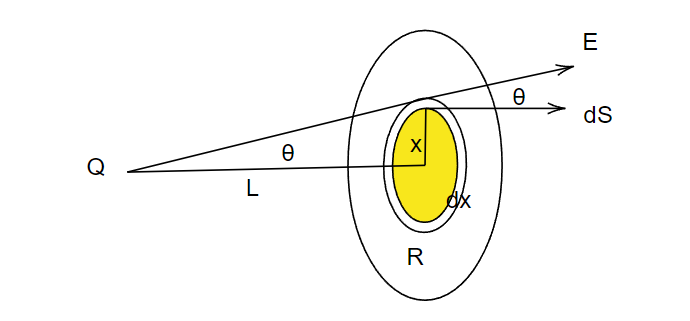 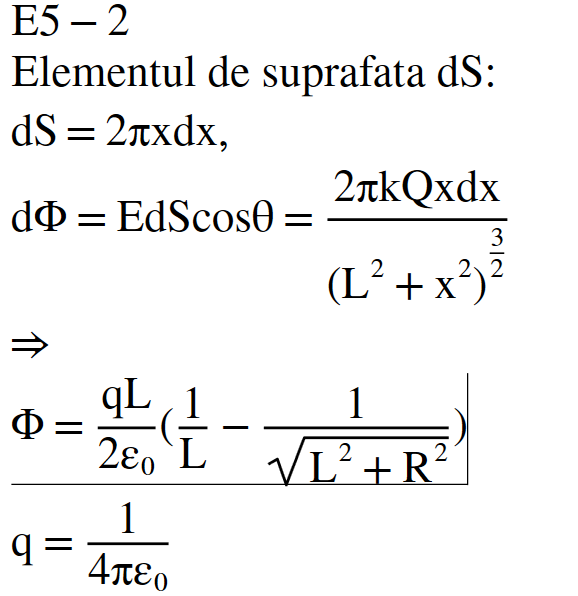 E4.8 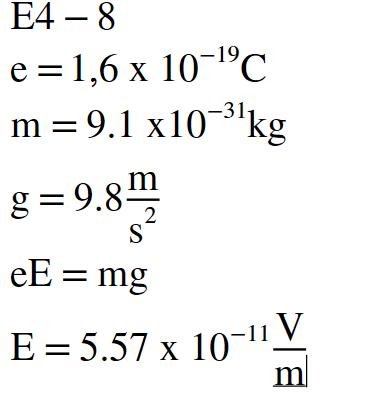 E4-9 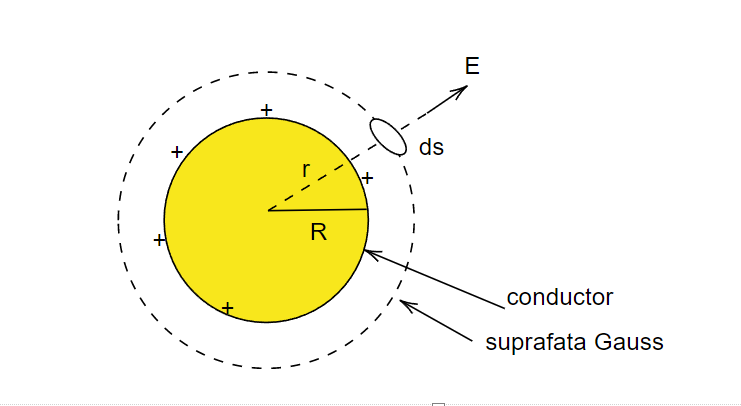 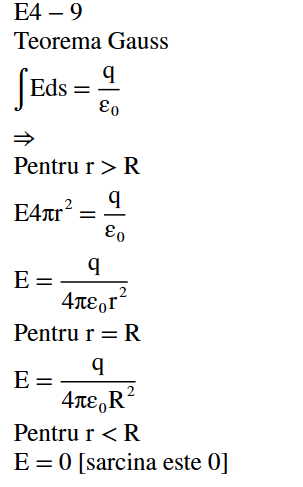 E4-10 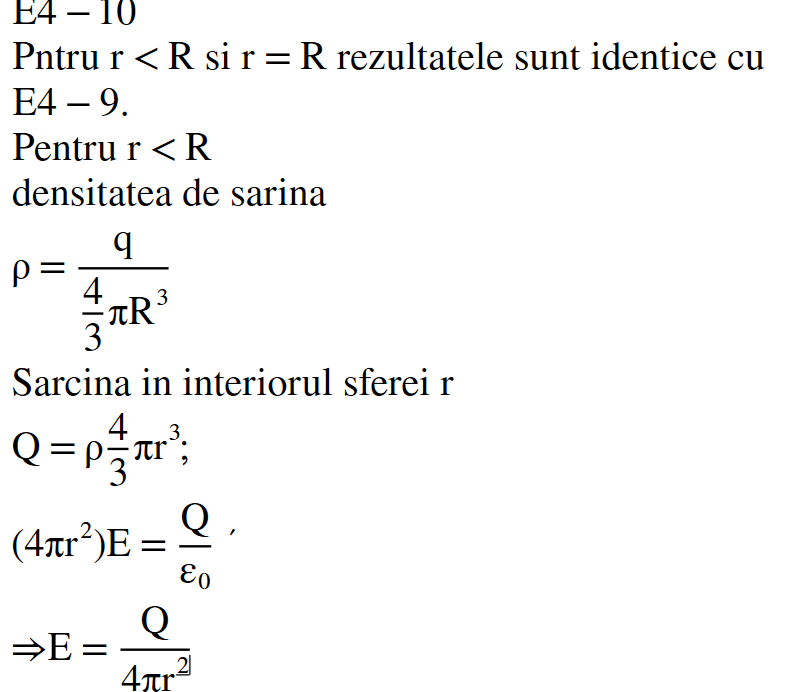 E4-11 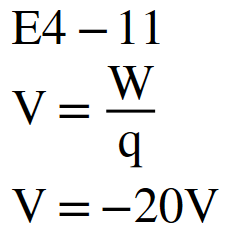 E4-12 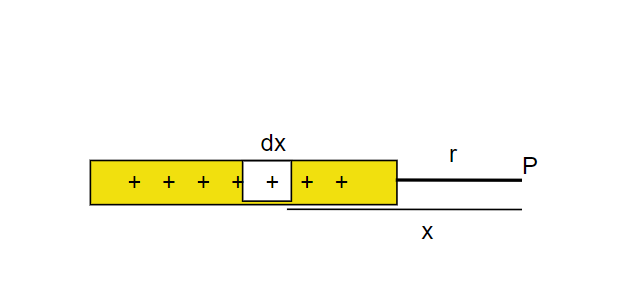 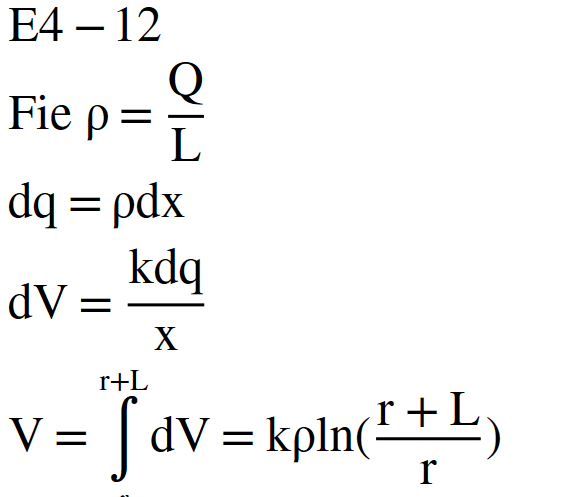 E4-13 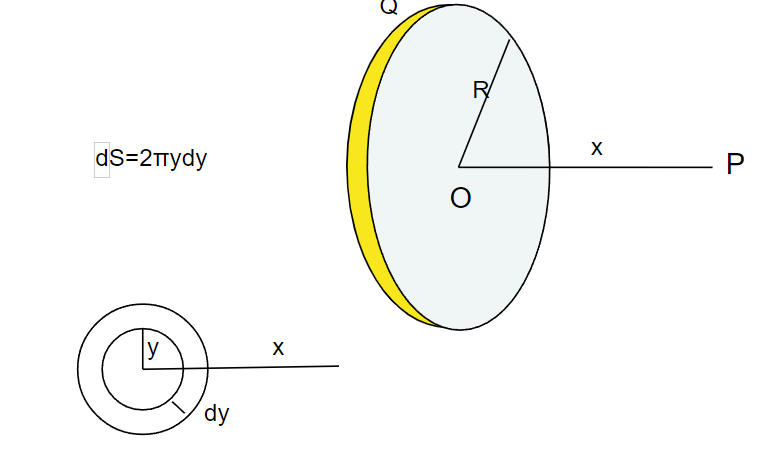 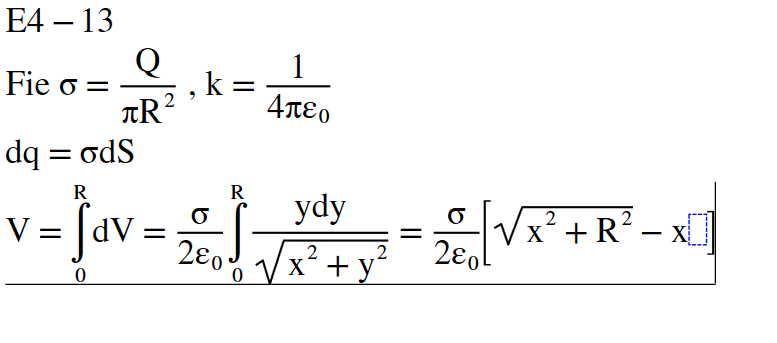 E17 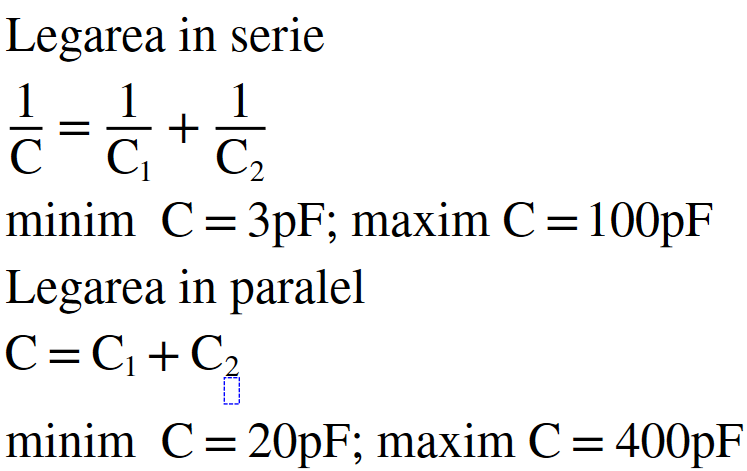 E18 Folosim lg. Gauss 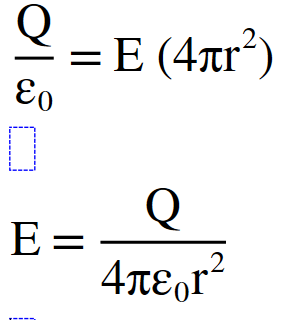 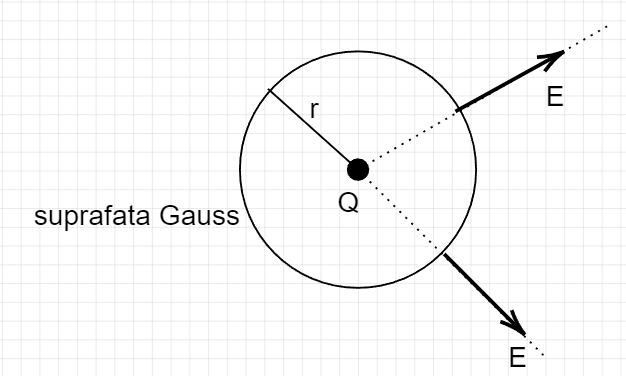 Ca si cum toata sarcina s-ar afla in centrul sferei. E20 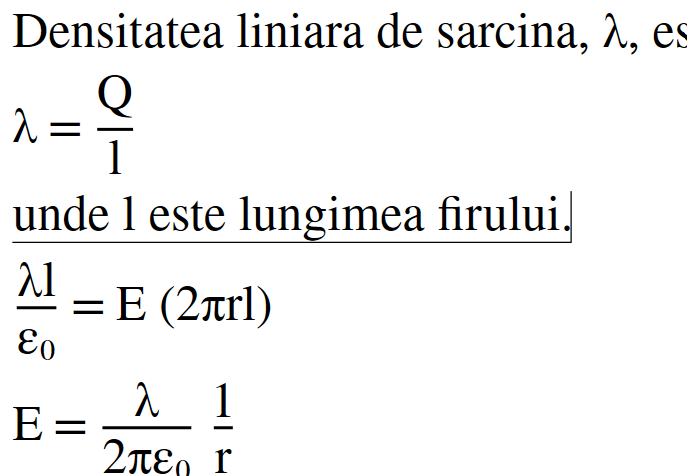 E21 E=0 E40-2 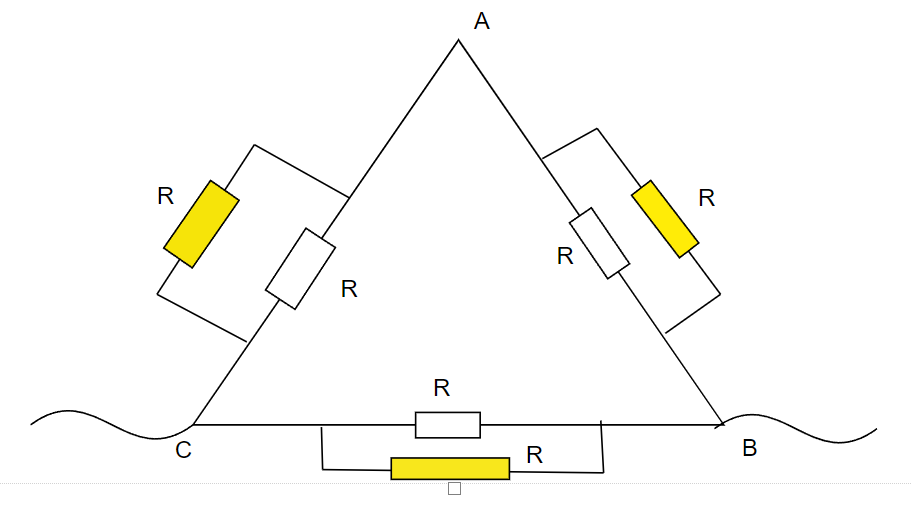 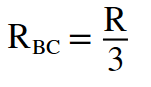 E40-3 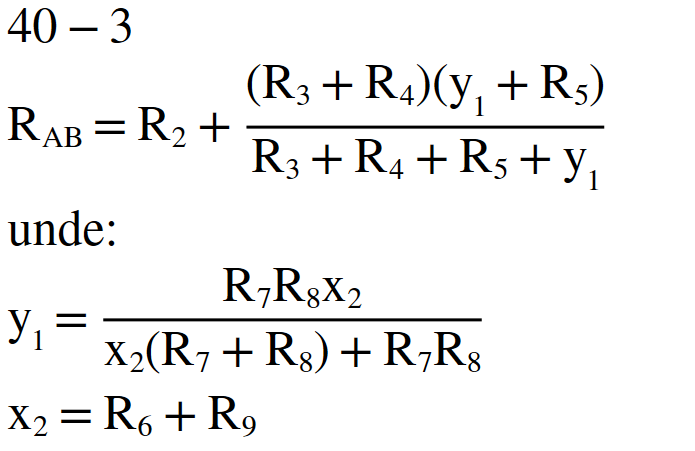 E40-4 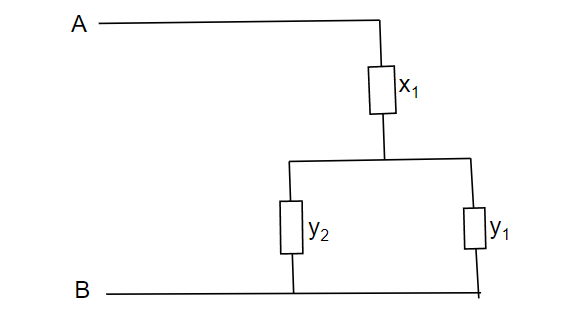 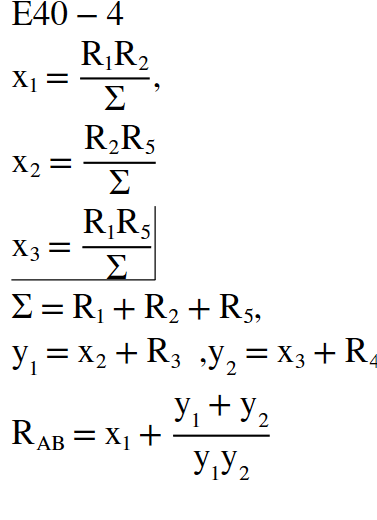 |
|
E22. Ref: www.oradefizica.ro 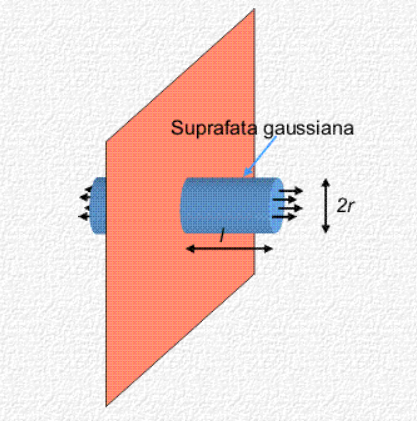 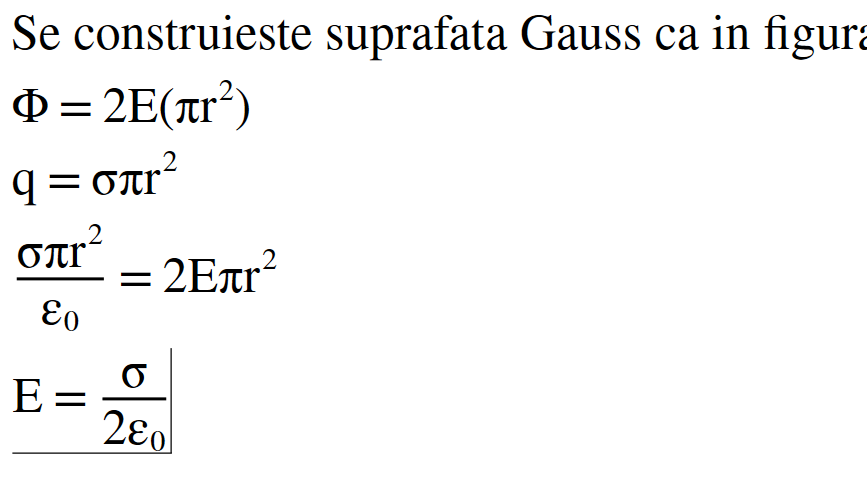 |
E23 E30 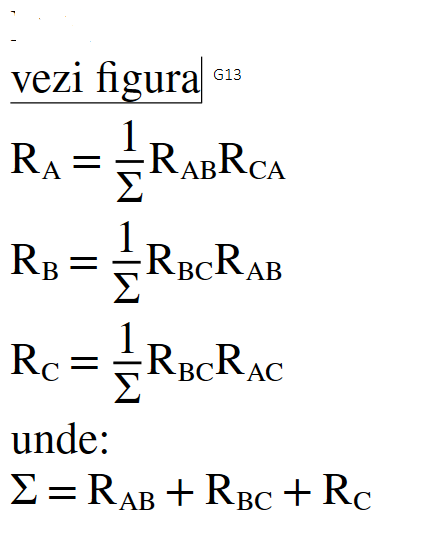 E30-1 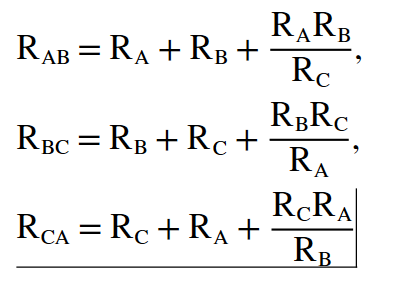 E30-2 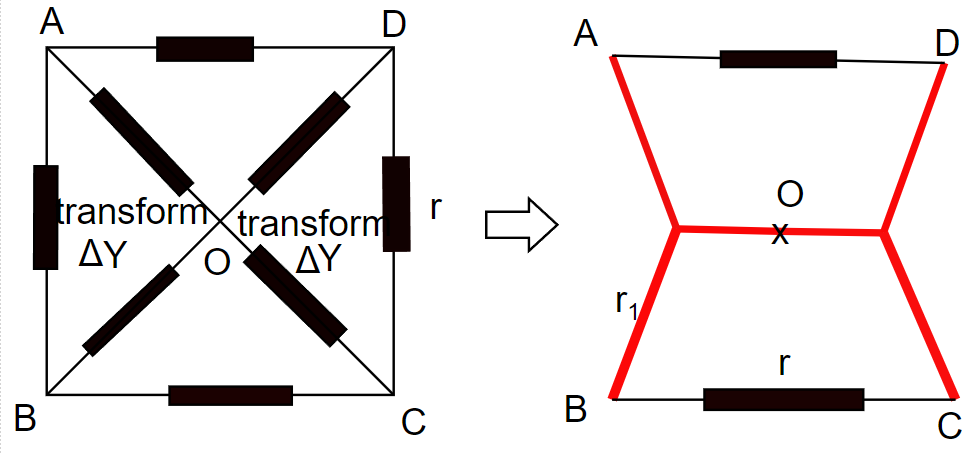 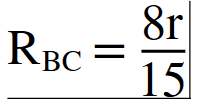 E30-3 Problema se reduce la problema E30-2 E30-4 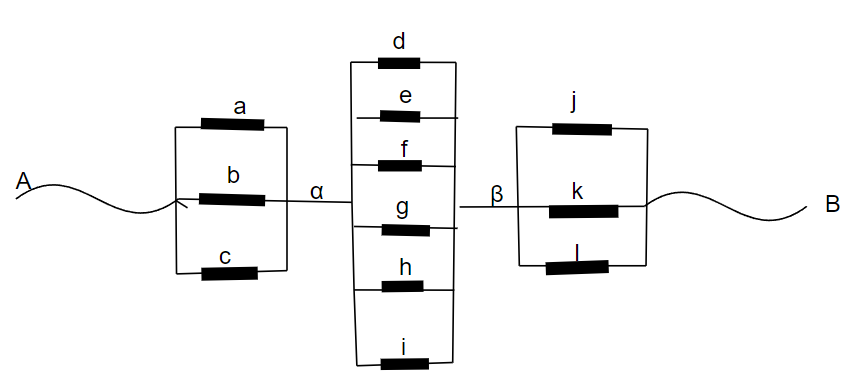 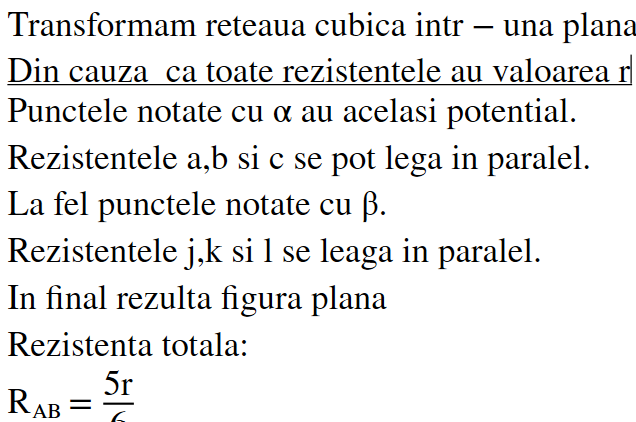 E30-5 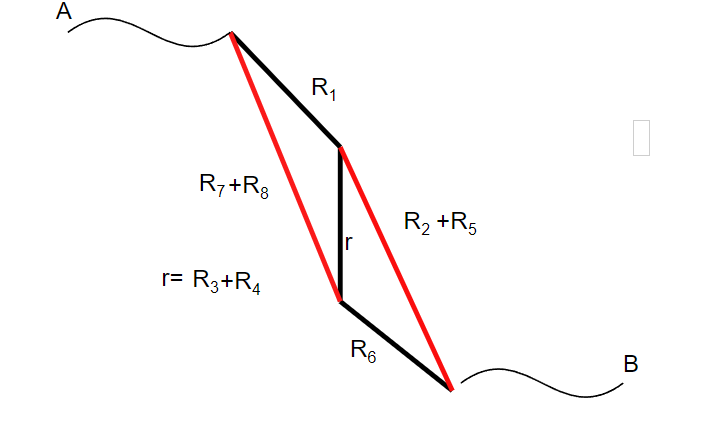 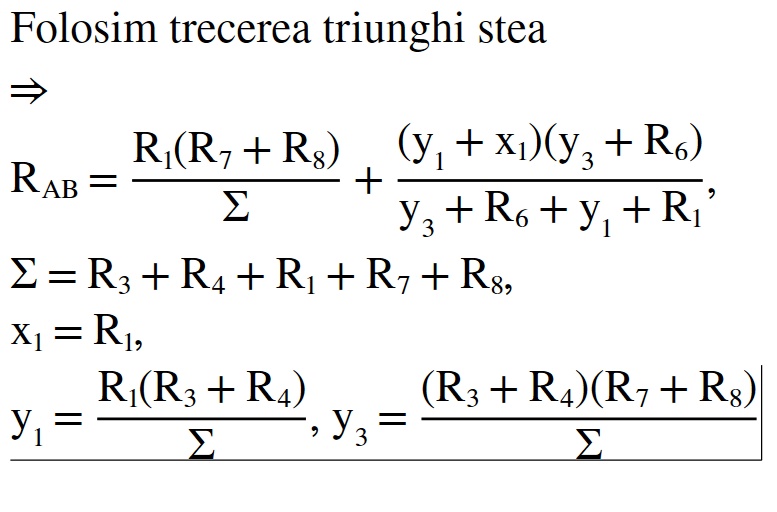 E30-6 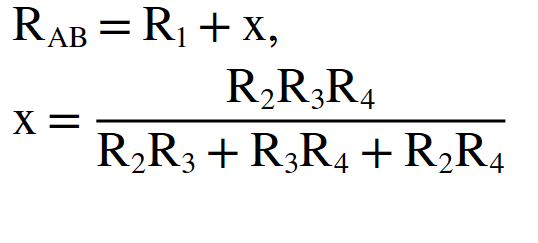 E30-7 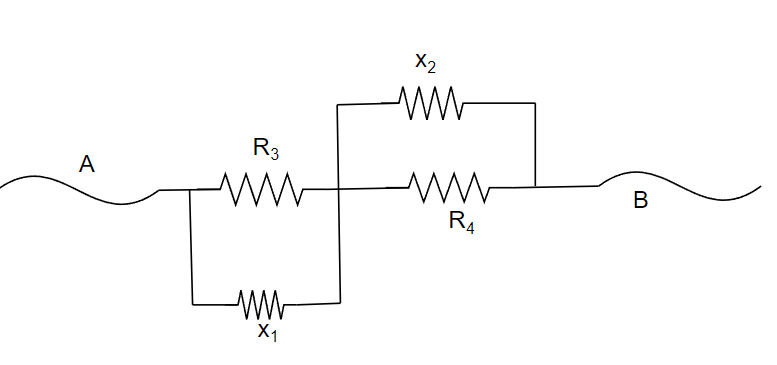 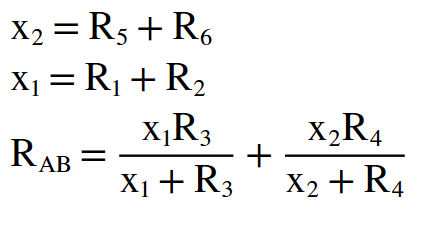 E25-1. F=Bil=o,6N E26. F=o.1N E27. B=0.08T E28. B=μI/2πr B=0T; B=2.4x10^-4T E29. dist=1,5 cm fata de conductorul 1 F=1,33x10^-5N/cm E.x3 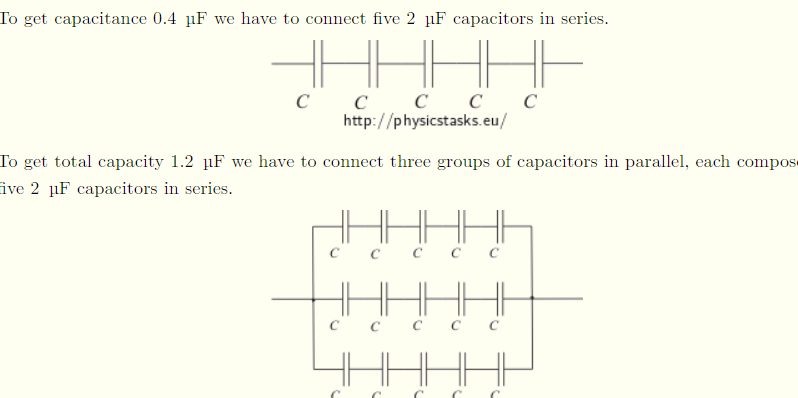 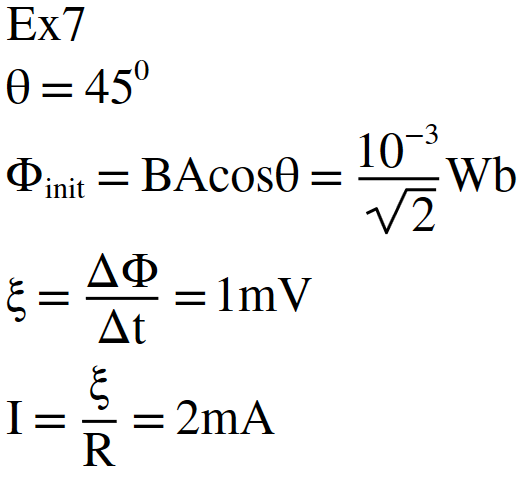 |
|
N1.1 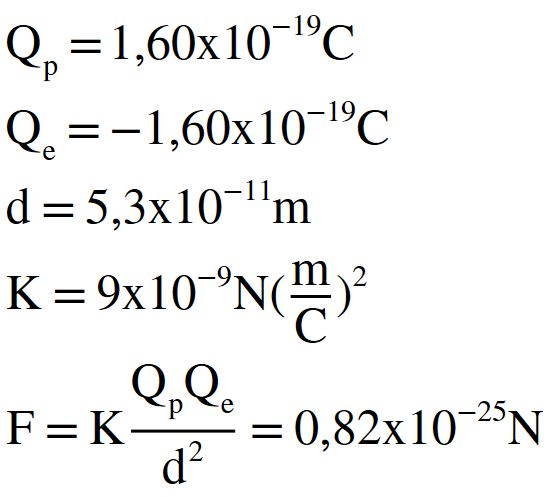 N1.3 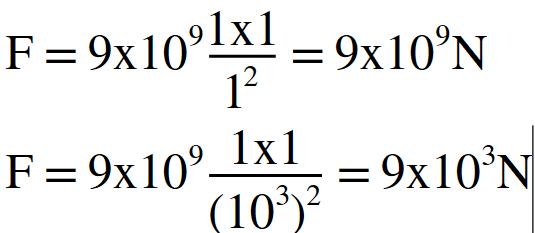 |
N1.2 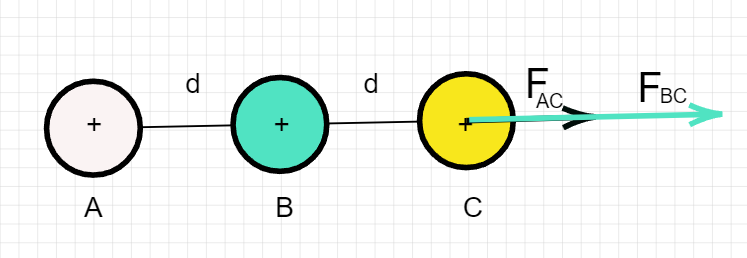 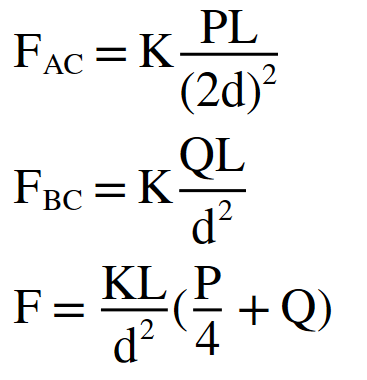 N1.4  |
|
N1.5 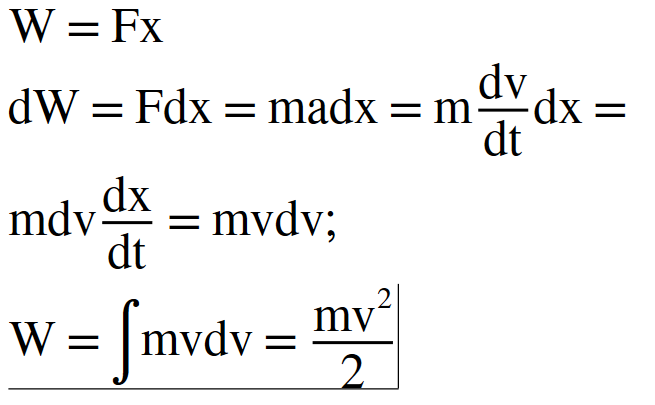 |
N1.6 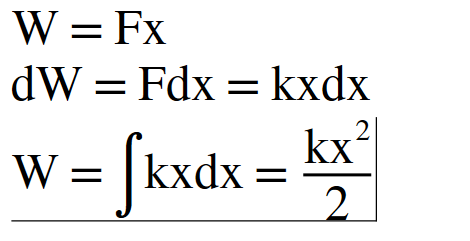 N1.7 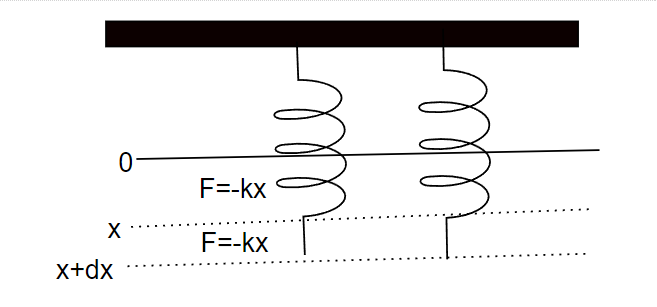 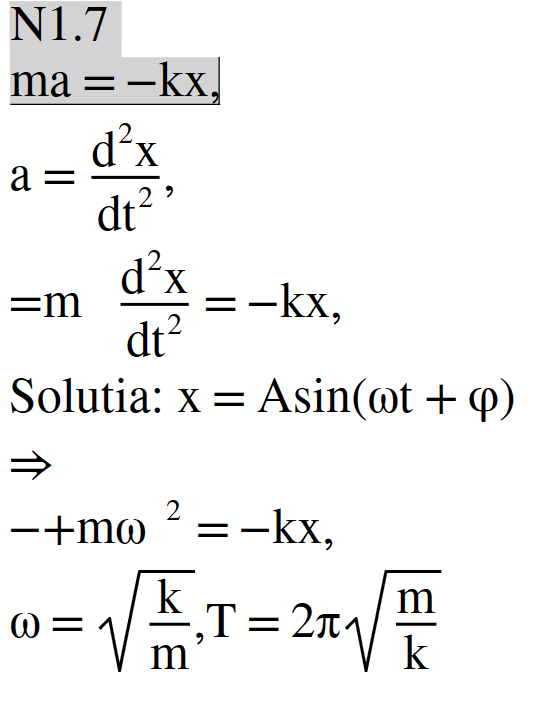 |
|
N1.x1 Felect = k • Q1 • Q2 / d2 Felect = (9.0 x 10⁹ N•m2/C2) • (1.00 C) • (1.00 C) / (1.00 m)2 Felect = 9.0 x 10⁹ N
The force of repulsion of two +1.00 Coulomb charges held 1.00 meter apart is 9 billion Newton. This is an incredibly large force that compares in magnitude to the weight of more than 2000 jetliners. |
N1.x2 Felect = k • Q1 • Q2 / d2 Felect = (9.0 x 10⁹ N•m2/C2) • (6.25 x 10⁻⁹ C) • (6.25 x 10⁻⁹ C) / (0.617 m)2 Felect = 9.23 x 10⁻⁷ N N1.x7 Answer: 0.030 m or 3.0 cm Step 1: Identify known values in variable form. Q1 = 1.0 x 10⁻⁶ C and Q2 = 1.0 x 10⁻⁶ C Felect = Fgrav = mg = 1.0 • 9.8 m/s/s = 9.8 N |
|
N1.x3 Felect = k • Q1 • Q2 / d2 d2 • Felect = k • Q1 • Q2 d2 = k • Q1 • Q2 / Felect d = SQRT(k • Q1 • Q2) / Felect d = SQRT [(9.0 x 10⁹ N•m2/C2) • (-8.21 x 10⁻⁶ C) • (+3.37 x 10⁻⁶ C) / (-0.0626 N)] d = Sqrt [ +3.98 m2 ] d = +1.99 m |
N1.x4 Answer: E In the equation Felect = k • Q1 • Q2 / d2 , the symbol Felect represents the electrostatic force of attraction or repulsion between objects 1 and 2. The symbol k is Coulomb's law constant (9 x 10⁹ N • m2 / C2), Q1 and Q2 represent the quantity of charge on object 1 and object 2, and d represents the separation distance between the objects' centers. |
|
N1.x5 Answer: 2.16 x 10⁻⁵ N, attractive Step 1: Identify known values in variable form. Q1 = +3.5 x 10⁻⁸ C and Q2 = -2.9 x 10⁻⁸ C d = 0.65 m Step 2: Identify the requested value F = ??? N1.x7 N1.x9 Answer: 0.320 N Explanation: Electrostatic force is directly related to the charge of each object. So if the charge of both objects is doubled, then the force will become four times greater. Four times 0.080 N is 0.320 N. N1.x10 Answer: 0.020 N Explanation: The electrostatic force is inversely related to the square of the separation distance. So if d is two times larger, then F is four times smaller - that is, one-fourth the original value. One-fourth of 0.080 N is 0.020 N. N1.x12 Answer: 0.0050 N Explanation: The electrostatic force is inversely related to the square of the separation distance. So if d is four times larger (quadrupled), then F is 16 times smaller - that is, 1/16-th the original value. One-sixteenth of 0.080 N is 0.0050 N. |
N1.x6 Answer: 1.3 x 10⁻² N, attractive (rounded from 1.296 x 10⁻² N) Step 1: Identify known values in variable form. Q1 = +6.0 x 10⁻⁷ C and Q2 = -6.0 x 10⁻⁷ C d = 0.50 m Step 2: Identify the requested value F = ??? N1.x8 Answer: 0.160 N Explanation: Electrostatic force is directly related to the charge of each object. So if the charge of one object is doubled, then the force will become two times greater. Two times 0.080 N is 0.160 N. N1.x11 Answer: 0.00889 N Explanation: The electrostatic force is inversely related to the square of the separation distance. So if d is three times larger, then F is nine times smaller - that is, one-ninth the original value. One-ninth of 0.080 N is 0.00889 N. N1.x13 Answer: FALSE Contrary to a commonly held belief, a lightning rod does not serve to prevent a lightning bolt. The presence of the rod on the building can only serve to divert the charge in the bolt to the ground through a low resistance pathway and thus protect the building from the damage which would otherwise result. |
|
N1.x14 Answer: False The presence of an elevated lightning rod could serve to draw charge from the cloud to the ground. In the event of a lightning strike, a bolt would likely select a path from the cloud that ultimately connects to the rod. If the rod is not grounded, then the charge would likely pass through the home during its journey to the ground. The intense heat associated with the lightning bolt would cause severe damage and possibly cause an explosion or a fire. In the end, it would have been better to not even have installed a lightning rod than to have installed one that is not grounded. N1.x16 Answer: 3.83 meters Begin by determining the Q of the balloons. Q1 = Q2 = # of excess electrons • Qelectron = 4.0 x 10⁻⁶ C. The force of gravity of the balloons is m • g or 0.0098 N. To levitate the top balloon over the bottom balloon, the electrical force of repulsion must equal the force of gravity on the top balloon. Thus Felect = 0.0098 N. Now that Q1, Q2, and F are known, Coulomb's law can be used to determine the distance d. Algebraic rearrangement leads to d = Sqrt [ (k• Q1 • Q2 ) / F ]. Substitution leads to the answer. N1.x18 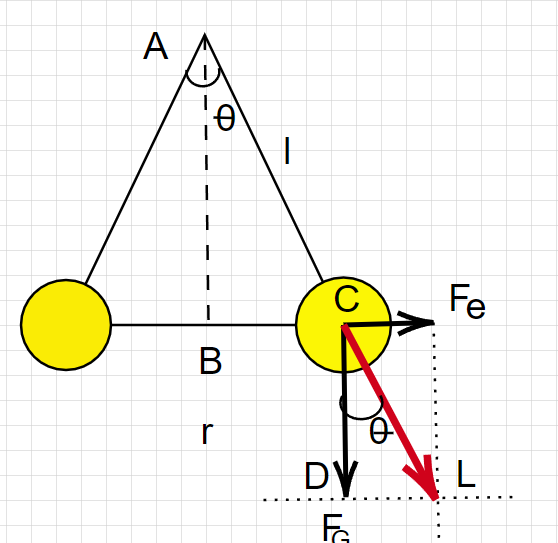  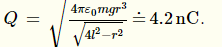 N1.x19 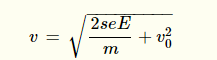 |
N1.x15 Answer: 0.052 meters Given: Q1 = +8.5 x 10⁻⁸ C Q2 = -6.3 x 10⁻⁸ C m = 0.0018 kg Use the mass to determine the force of gravity (m • g). The force of gravity on the balloon is 0.0176 N. Thus, the upward electrical force is 0.0176 N. Now that F, Q1, and Q2 are known, Coulomb's law can be used to determine the distance d in the equation. Algebraic rearrangement leads to d = Sqrt [ (k• Q1• Q2) / F ]. Substitution leads to the answer. N1.x17 Answer: x = -267 cm Some reasoning would lead to the conclusion that C must be located to the left of A so that the repulsion interaction with B is balanced by the attractive interaction with A. Thus, the distance from A to C can be called x and the distance from B to C can be called 0.6 + x (where x is the absolute value of the coordinate position (in meters). Expressions for FAC and FBC can be written FAC = k • QA • QC / (dAC)2FBC = k • QB • QC / (dBC)2 and set equal to each other since objects at equilibrium have balanced forces. Thus k • QA • QC / (dAC)2 = k • QB • QC / (dBC)2 The equation can be simplified by canceling k and QC. Thus, QA / (dAC)2 = QB / (dBC)2 Substitute x and 0.6 + x into this equation: QA / x2 = QB / ( 0.6 + x )2Then solve for x by taking the square root of each side and substituting the Q values into the equatio N1.x21  |
|
N1.x28 d = +1.99 m
|
N1.x30 Q1 = 1.0 x 10⁻⁶ C and Q2 = 1.0 x 10⁻⁶ C Felect = Fgrav = mg = 1.0 • 9.8 m/s/s = 9.8 N |
|
N1.x38  |
N1.x39. 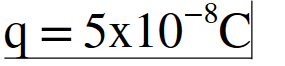 |
|
N1.x40 F=40N |
N1.x41 F= 311.5 N |
|
N1,x42 Forta se reduce de 4 ori |
N1.x44 q3/q2=9/4 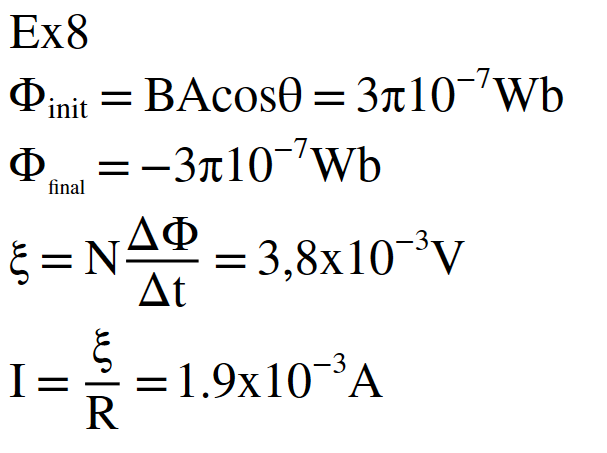 Ex10 θ=39 grade |
MECANICA
|
M1-1 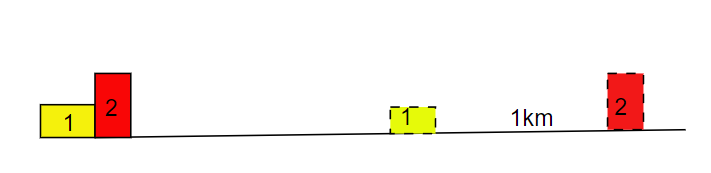 M1-4 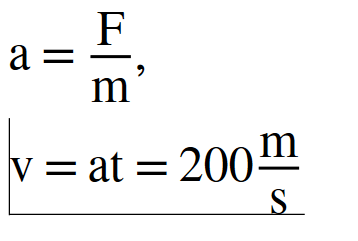 M1-5 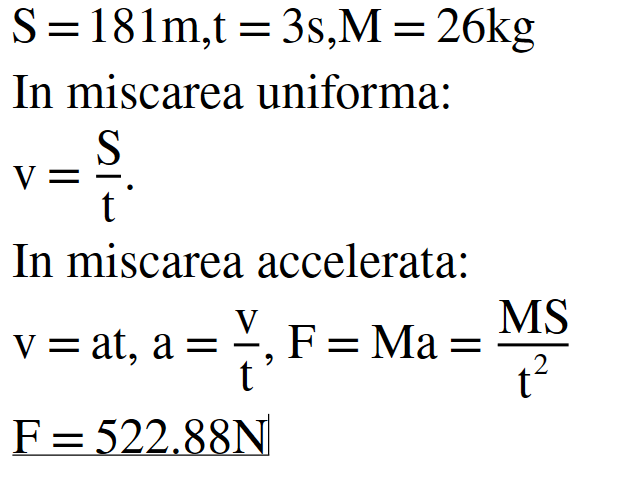 M1-6 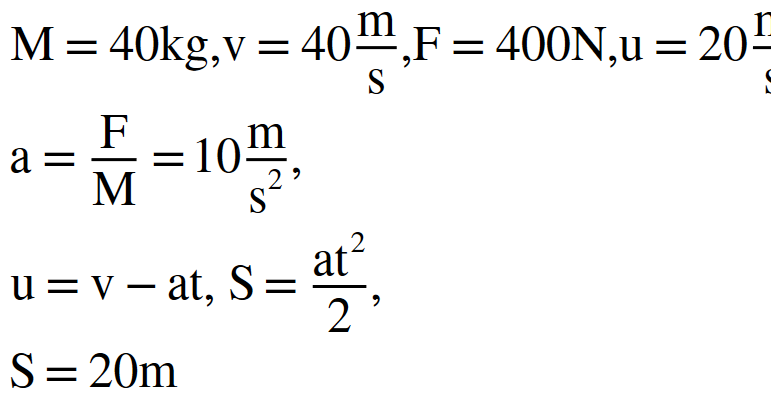 |
M2 Punctul de intilnire=la 104 km fata de B M4-2 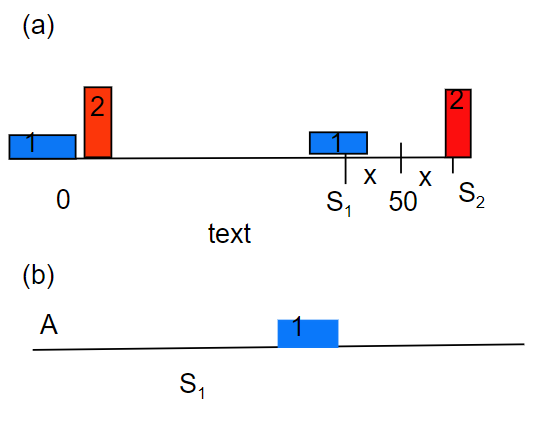 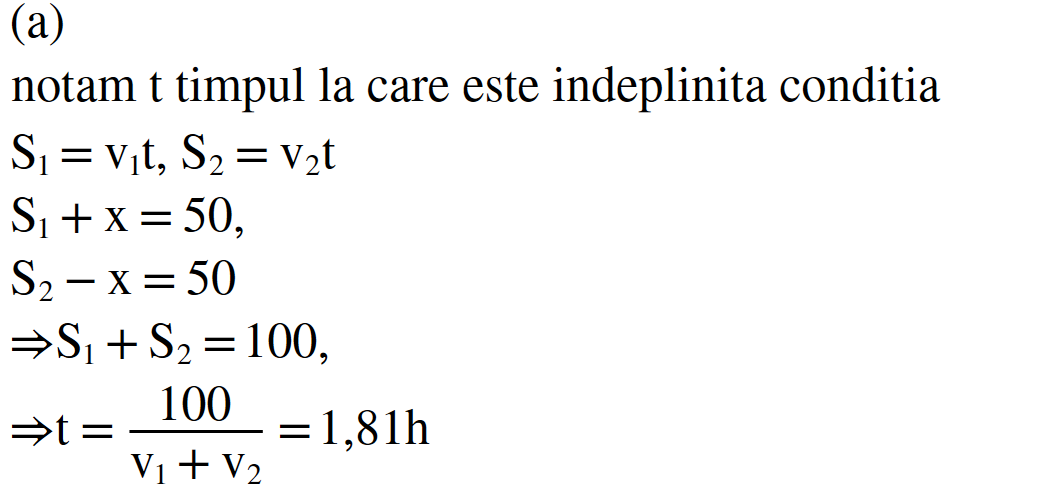 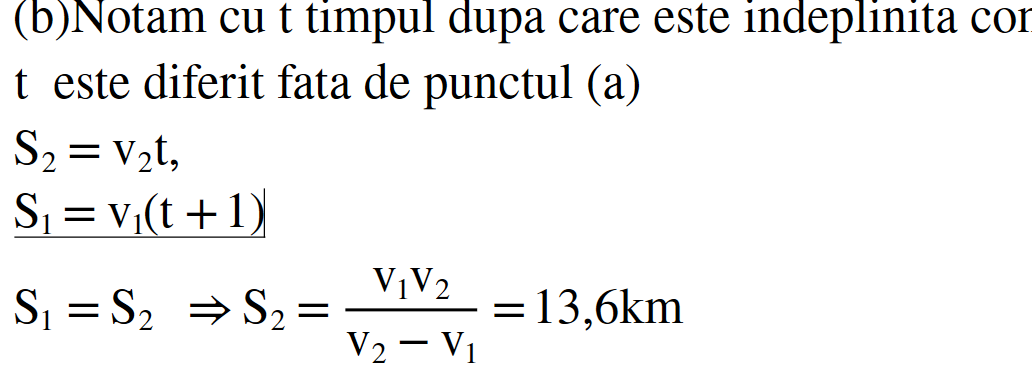 M4-3 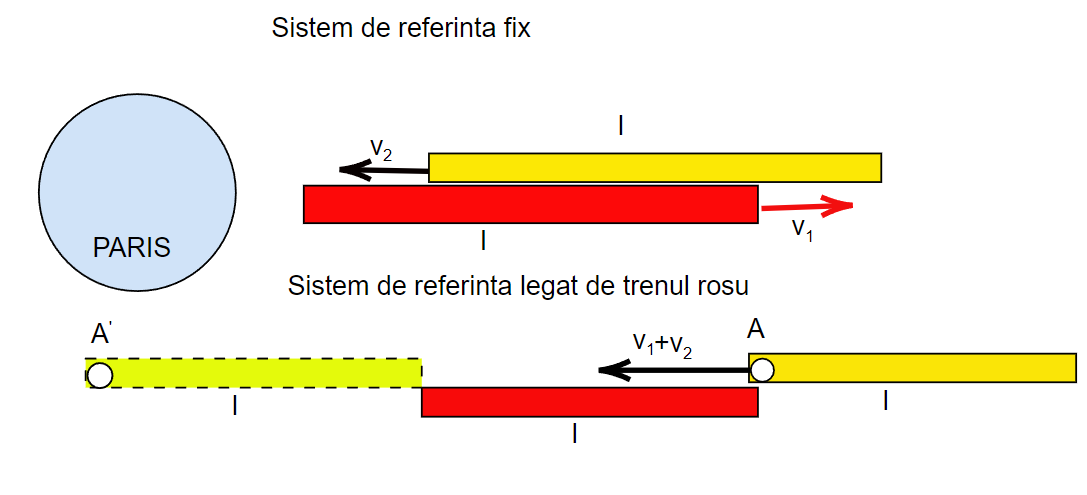 t=2l/(v1+v2) |
|
M4-4  | |
|
t=2l/(v2-v1)=0,0066h | |
|
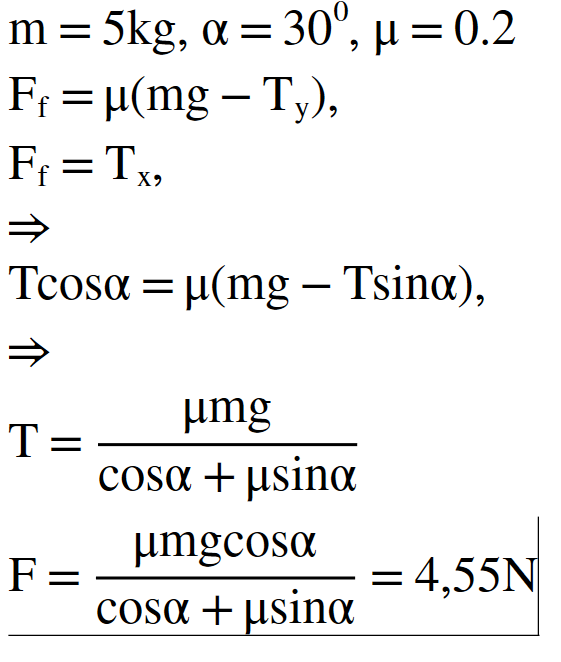
M5-2 | |
 | |
|
M7 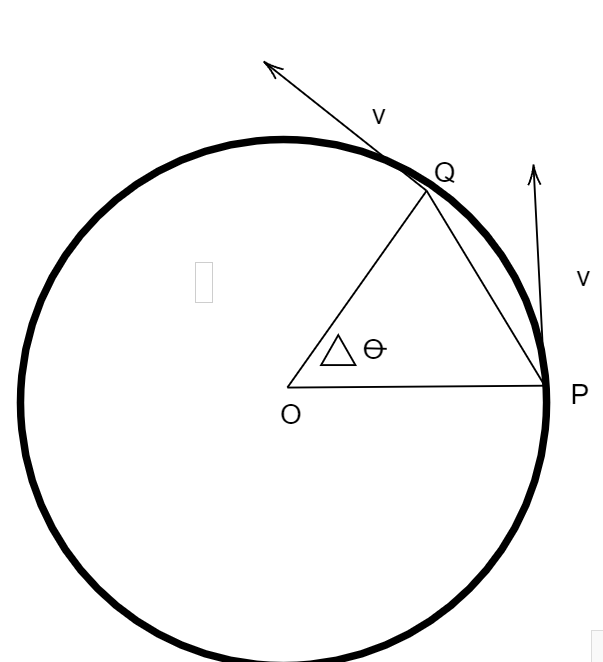 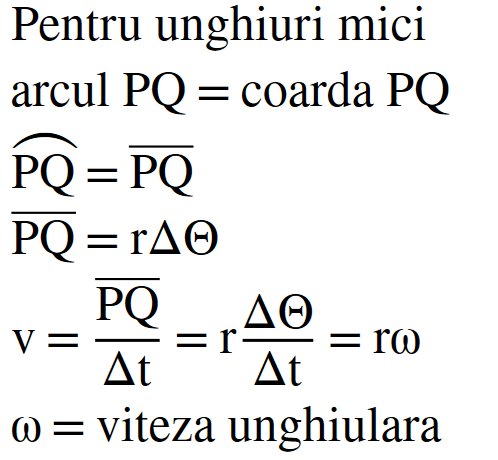 M7-1
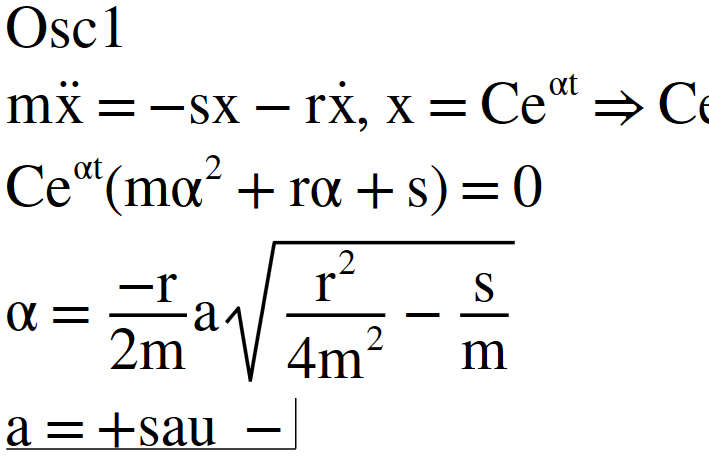
M7-2 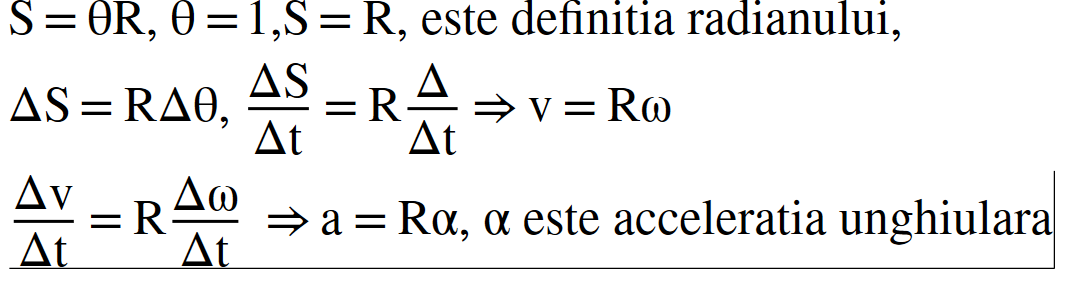 M7-3 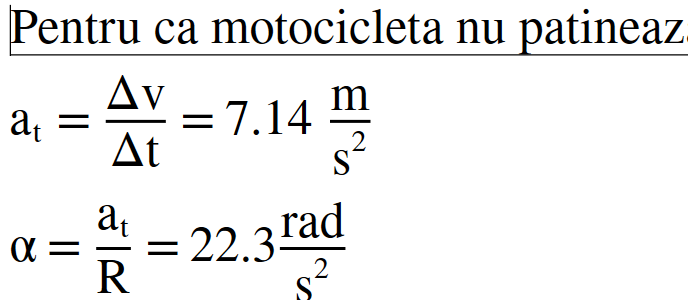 M7-4 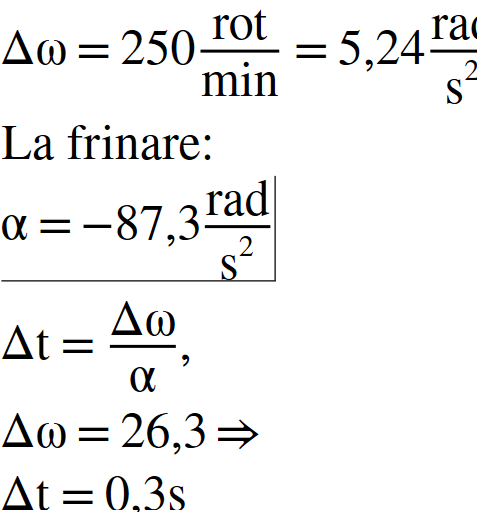 M7-5 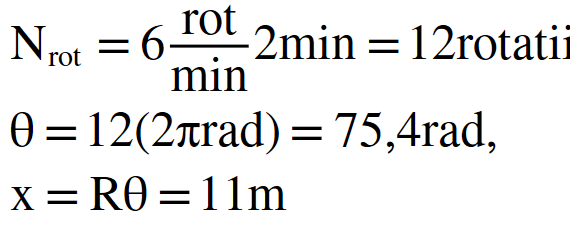 M7-6 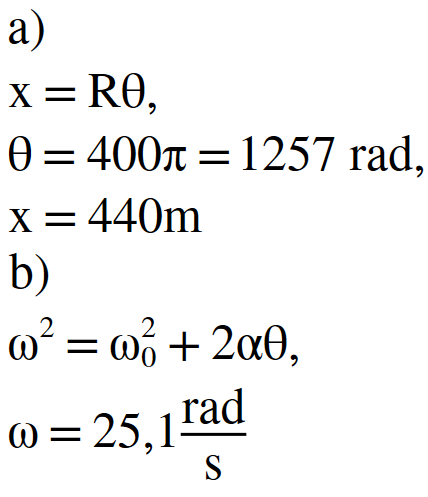 M7.7 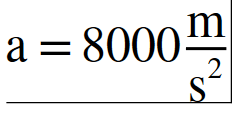 M7-8 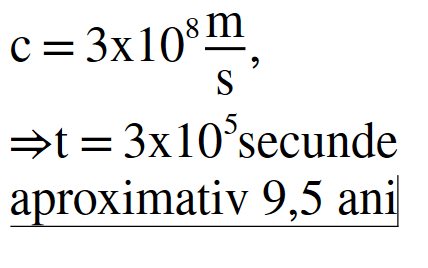 M7-9 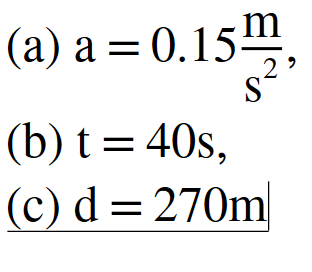 M11 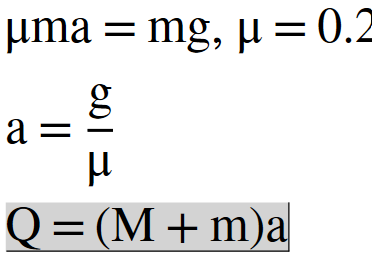 M12 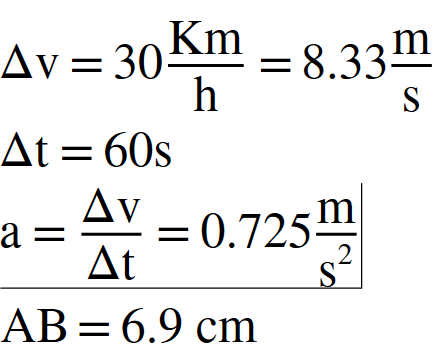 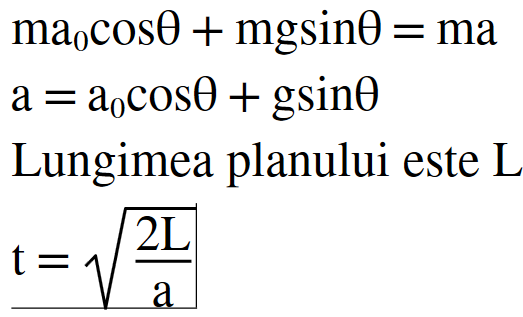 M13 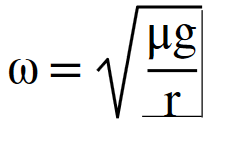 M19 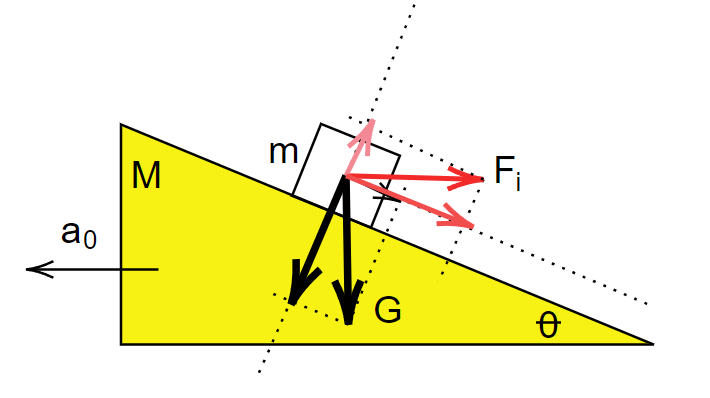 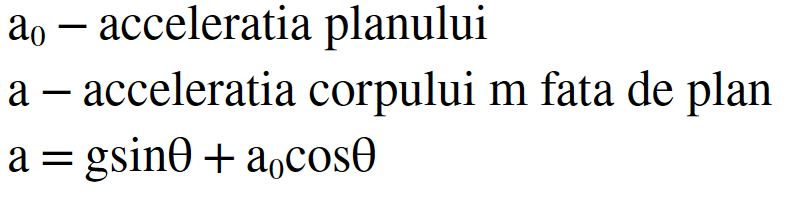 M20 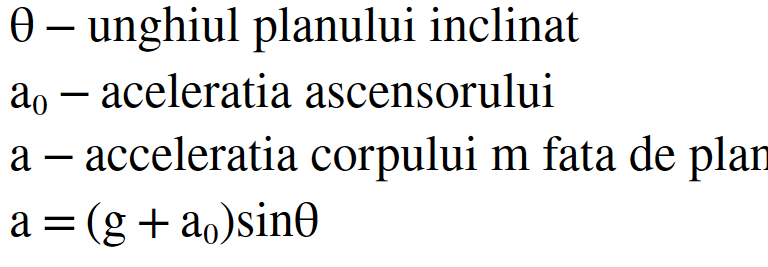 M20-1 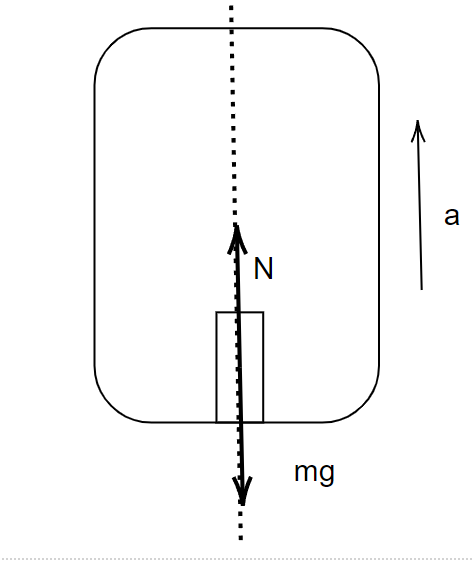 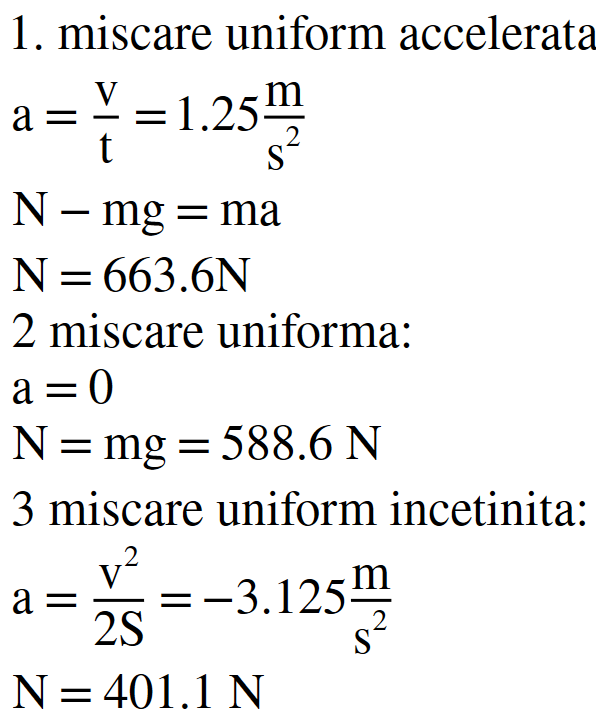 M21 Nu este corect. In sistemele de referinta neinertiale legile lui Newton nu se aplica. M23 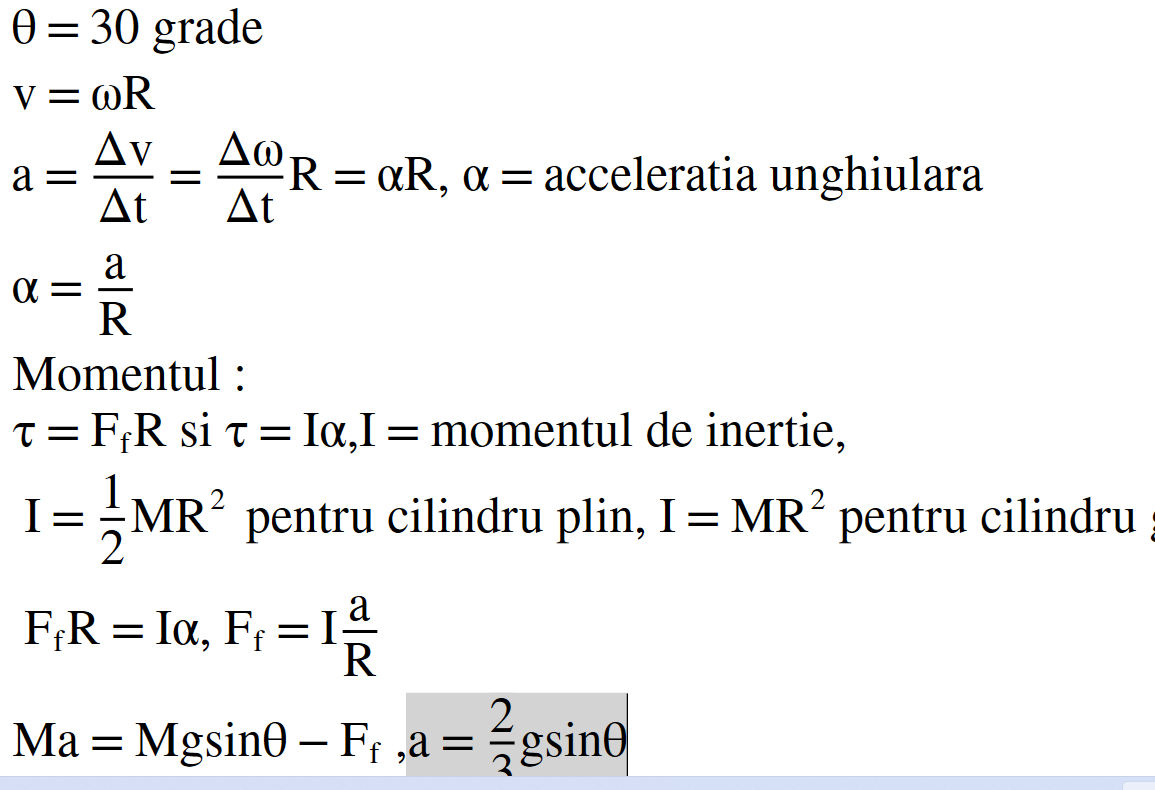 M23-1 M24-1 F=mg/2 M24-2 F=mg/3 M24-3 F=mg/4 M24-5 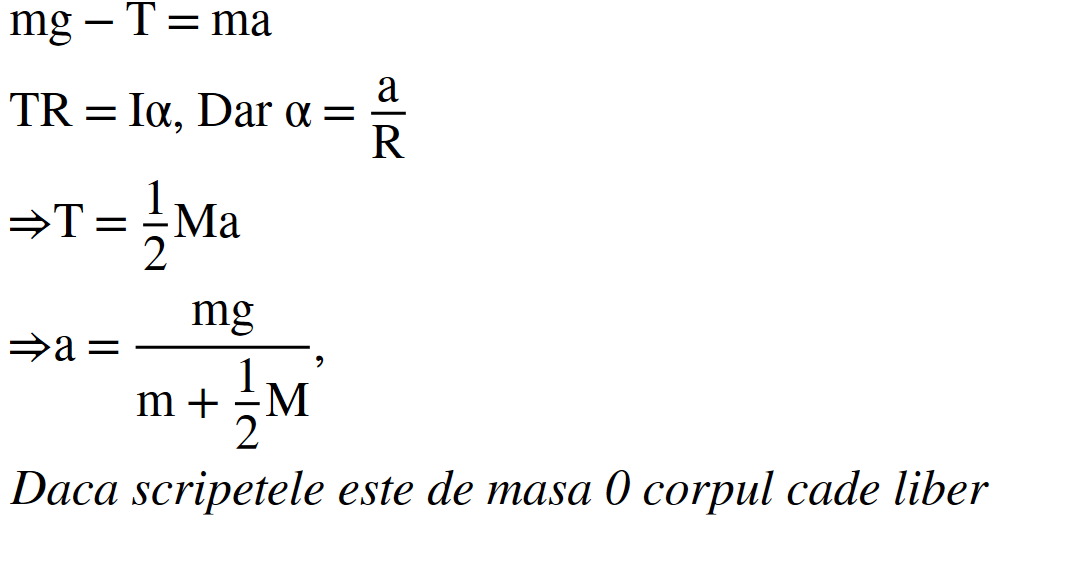 M24-6 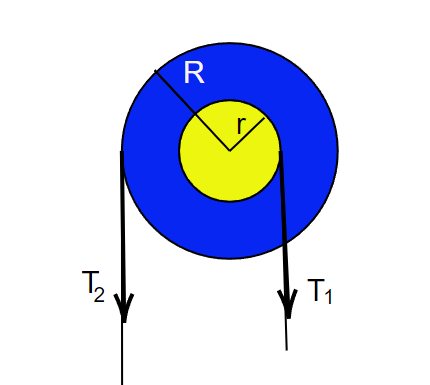 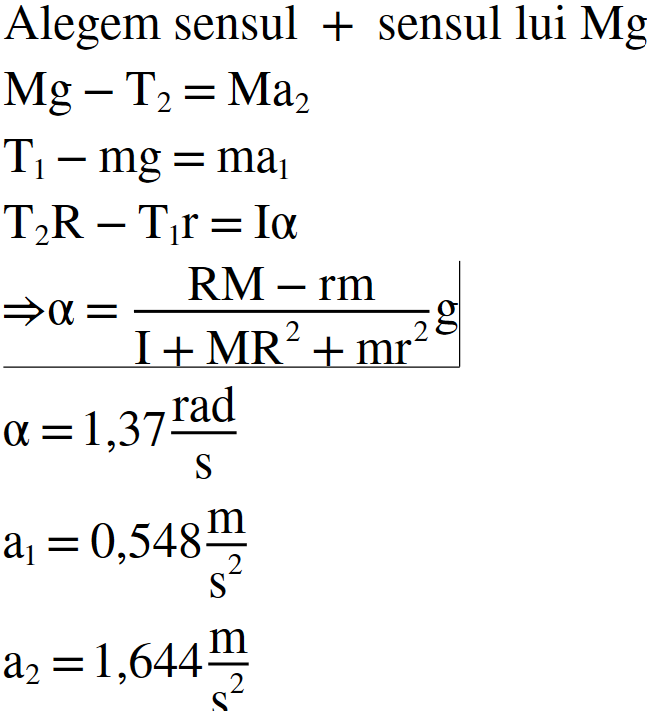 M26 L=0.248m M26-1bis Pendulul A M26-1 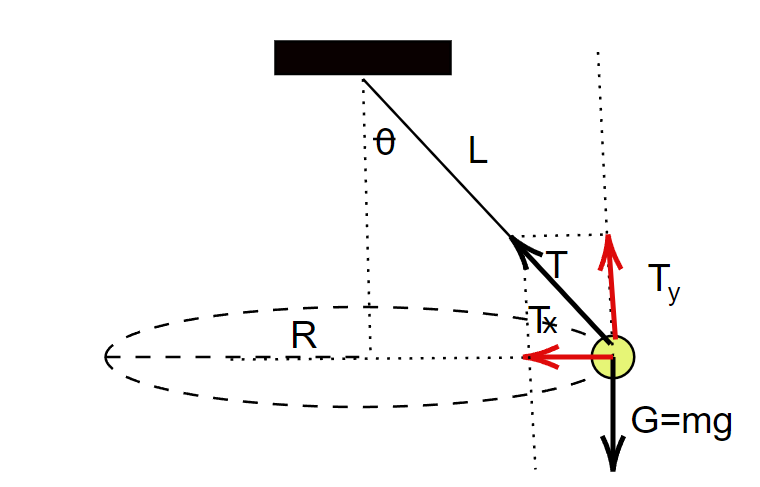 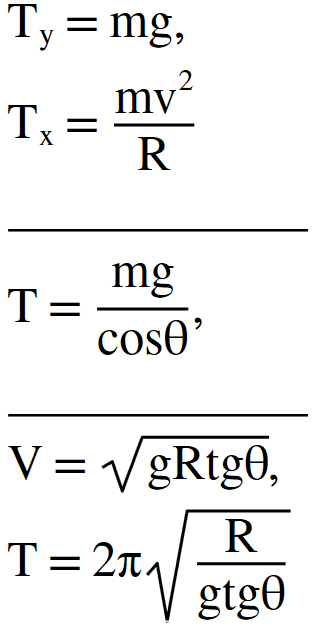 Osc5 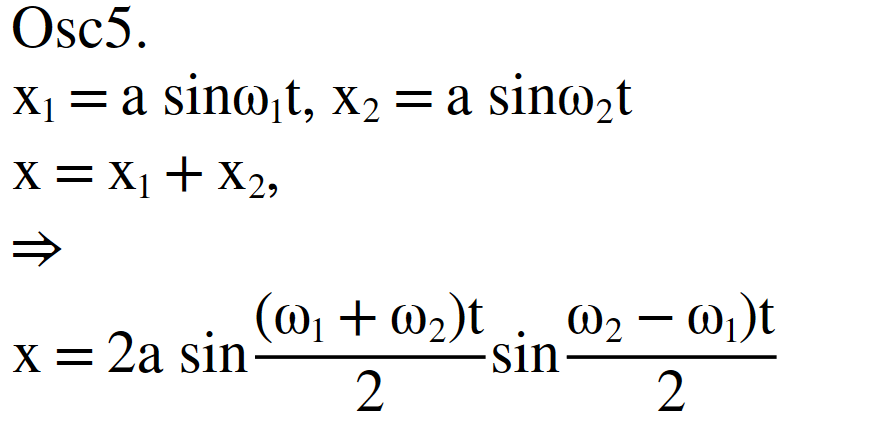 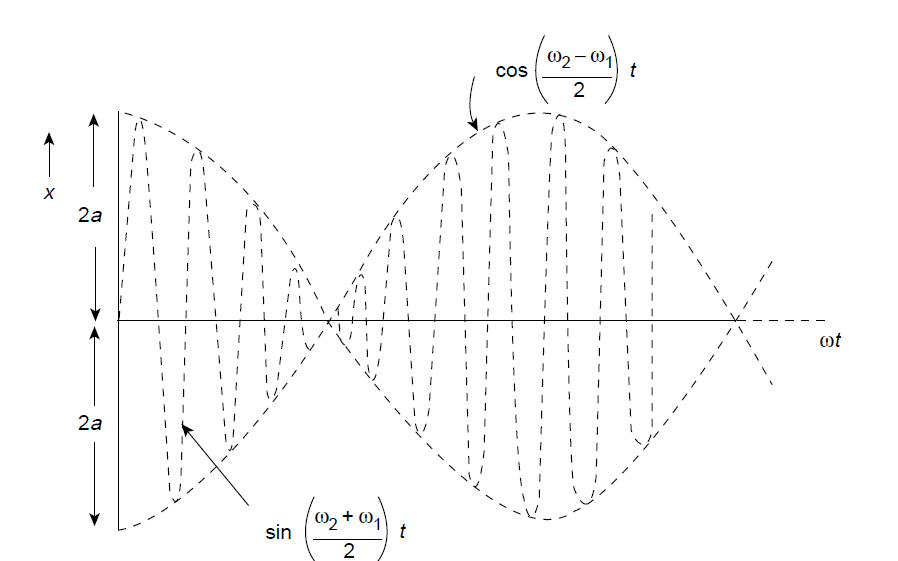 Osc8 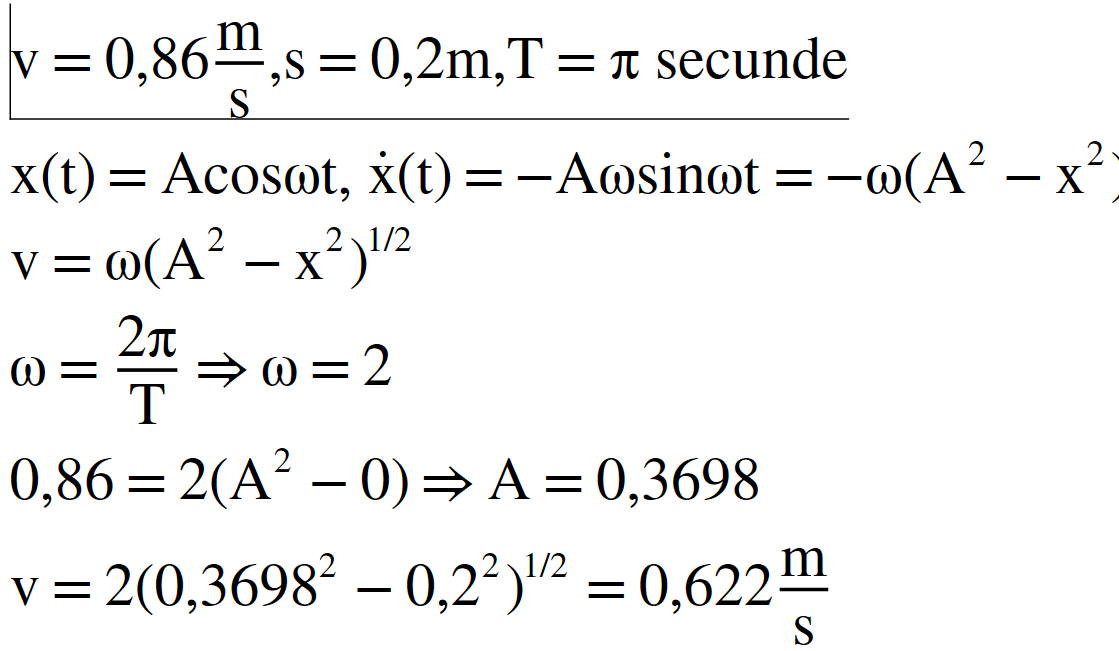 Osc9 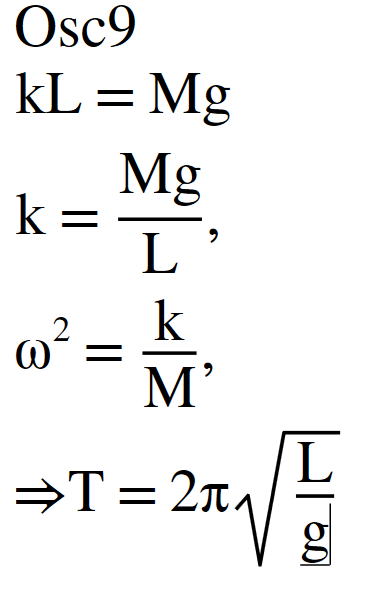 Osc6 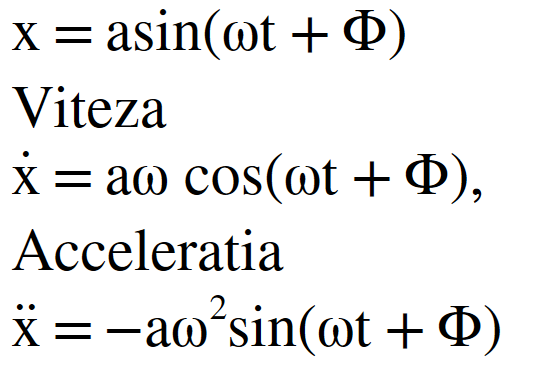 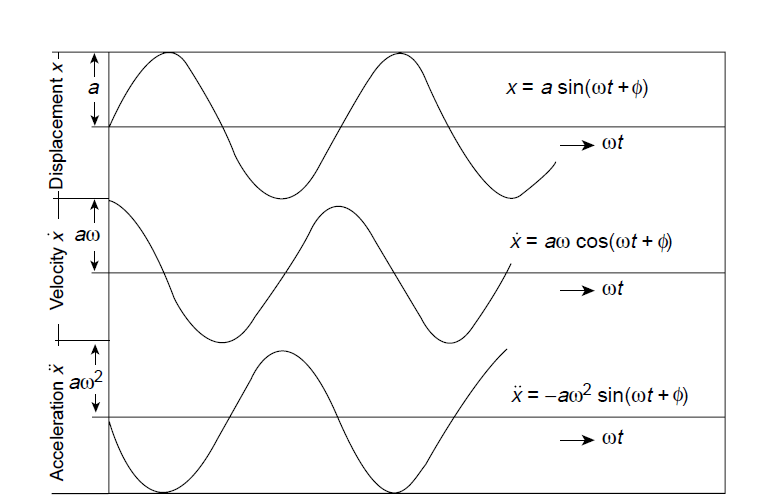 Osc10 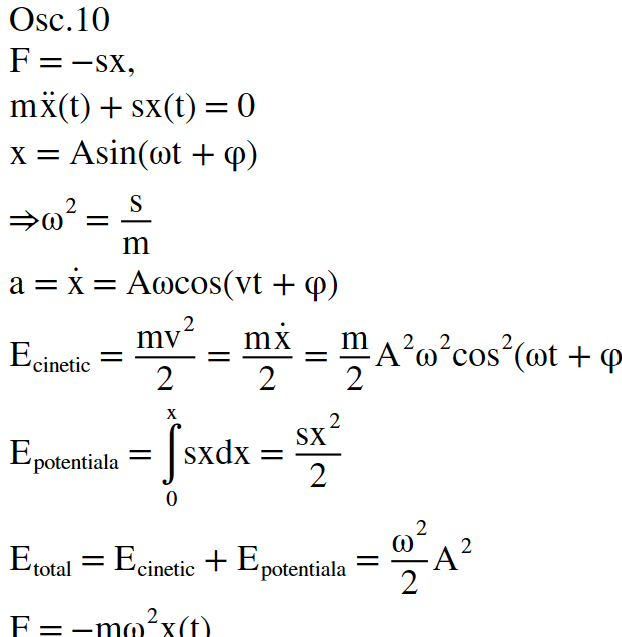 Osc11 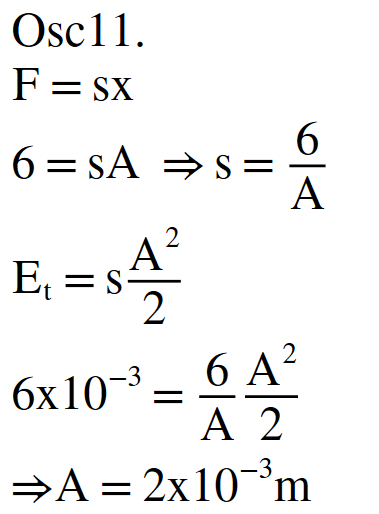 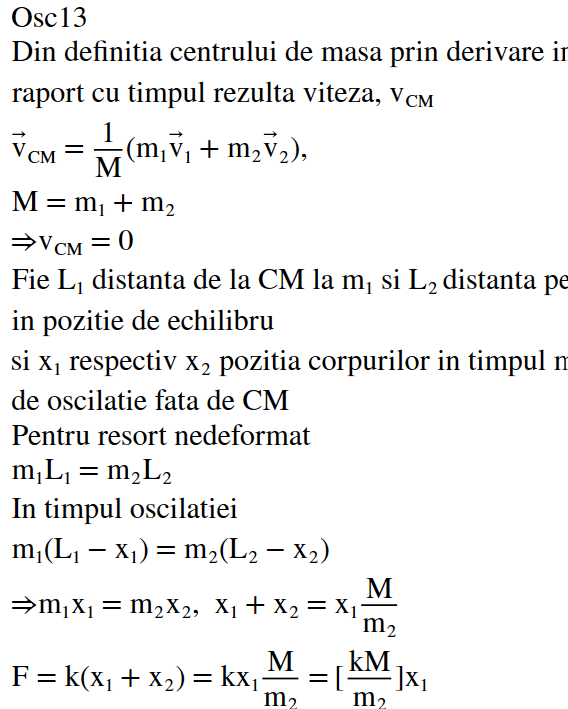 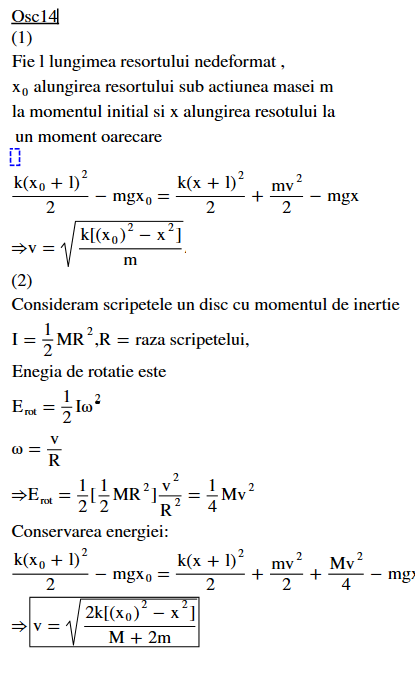 M26-5 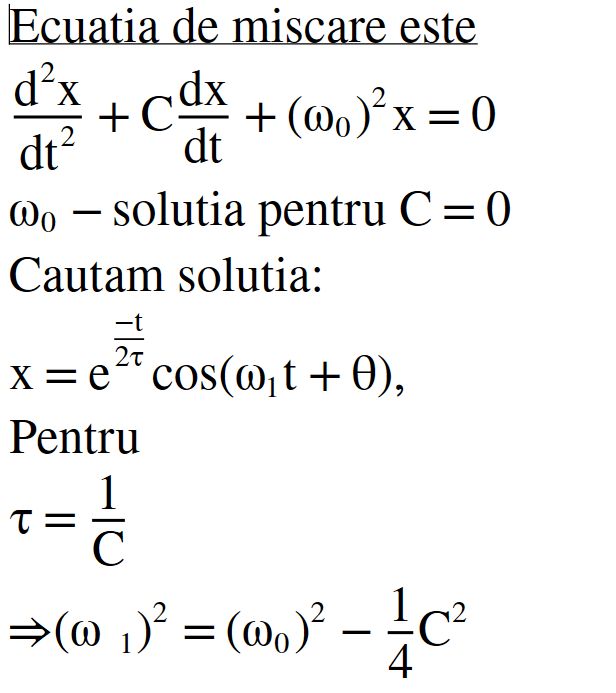 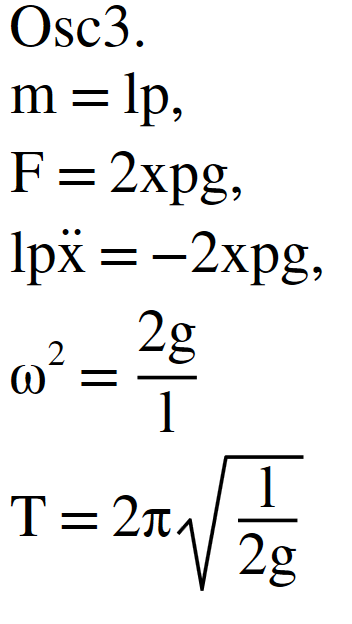 |
M8.
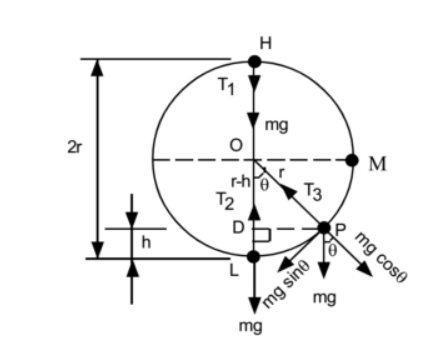
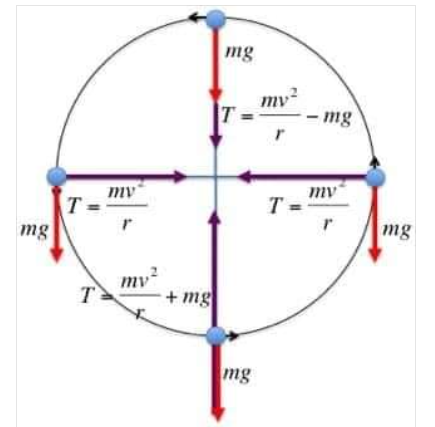
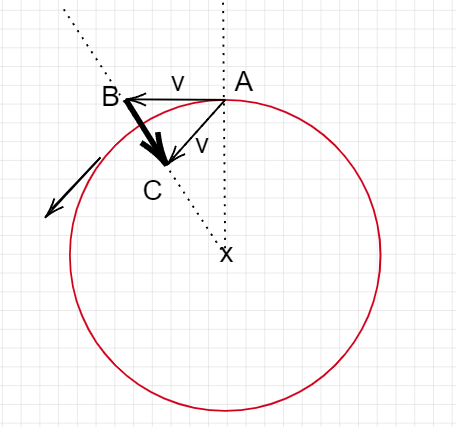
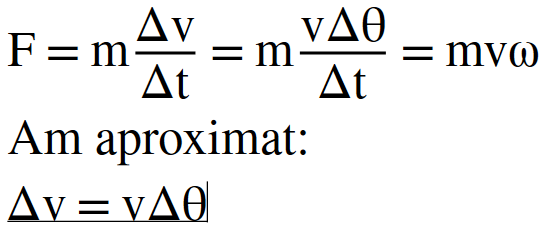 M9 F=1718,4N M10 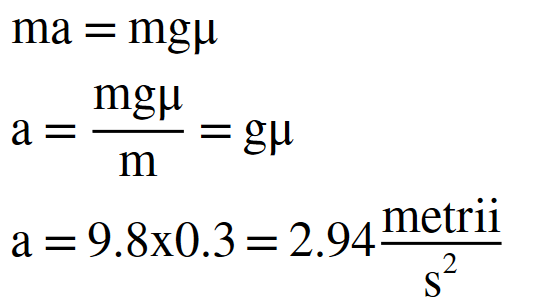 M10-1  M10-2 M10-2rez. Sfera goală se înlocuiește un punct de masă M șituat în centrul ei(vezi fig M10-2). 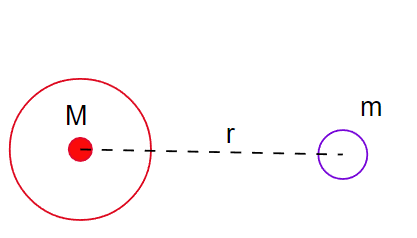 M10-3 M10-3. Momentul forței care acționează asupra Pământului este 0. Aceasta înseamnă că dL/dt=0. M10-4 d=Rx, R=d/x=6800km, aproape bine M10-6 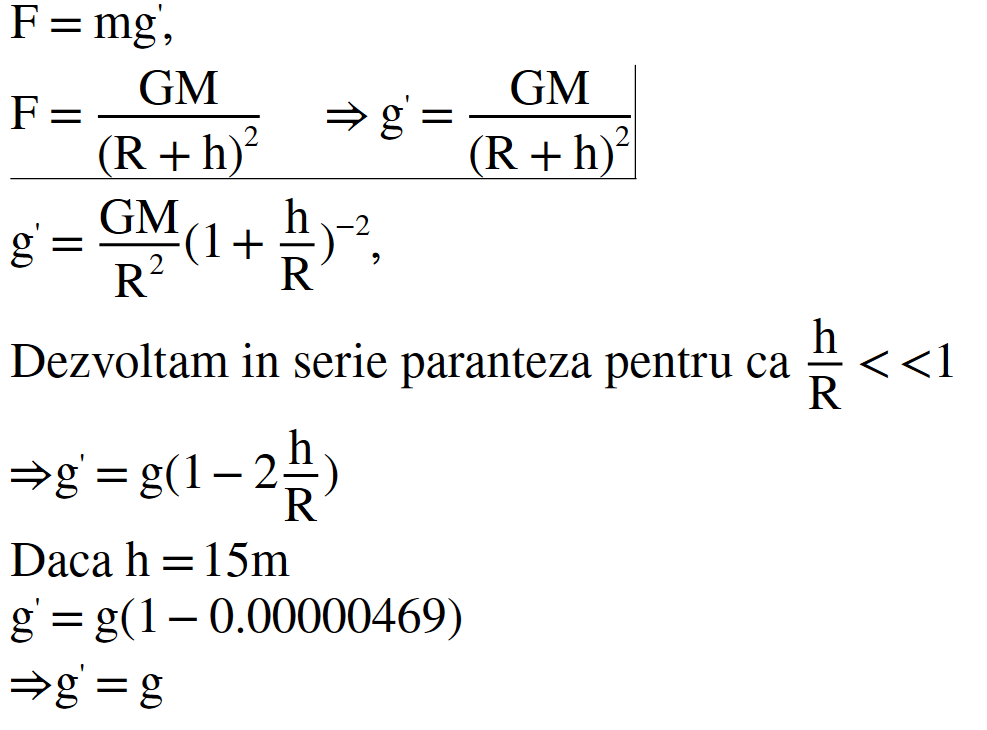  M10-7 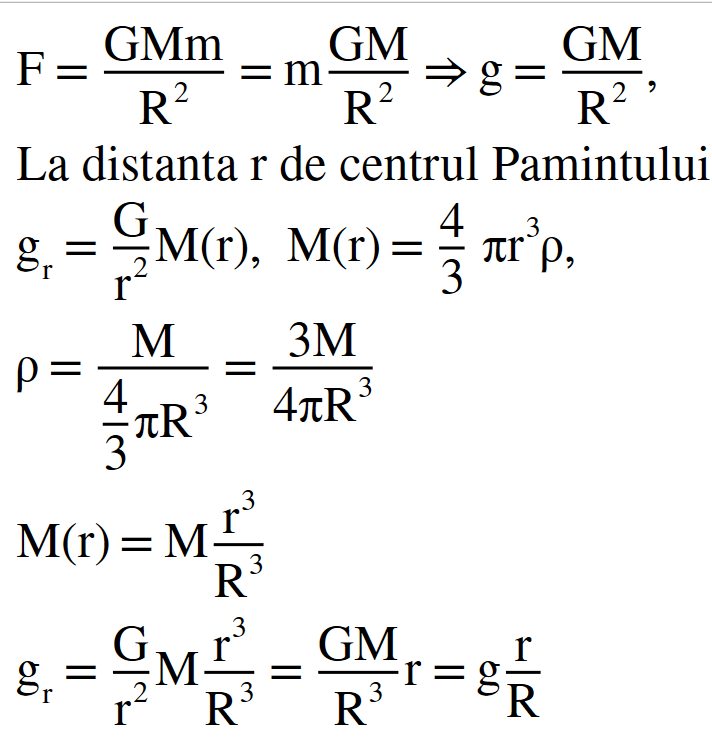 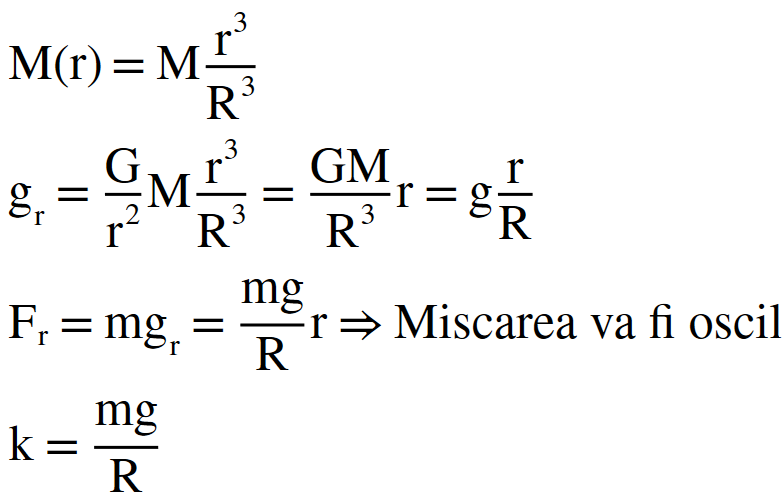 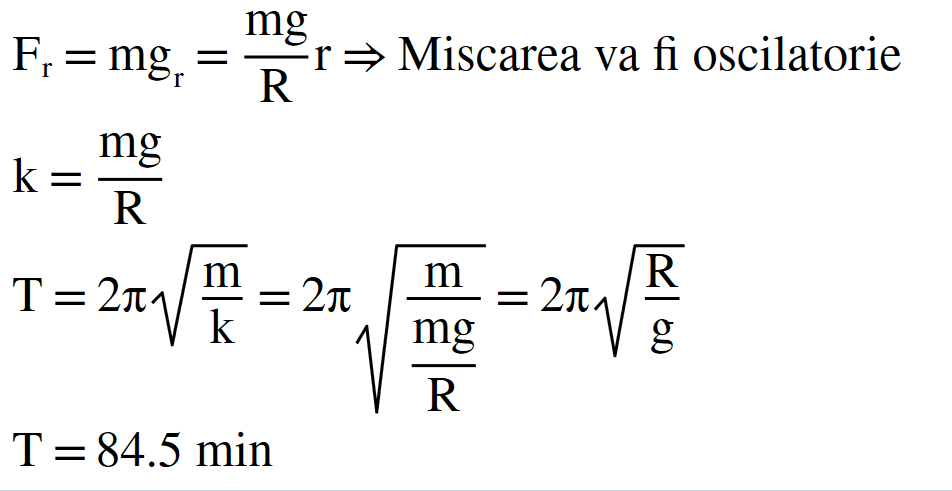 M14 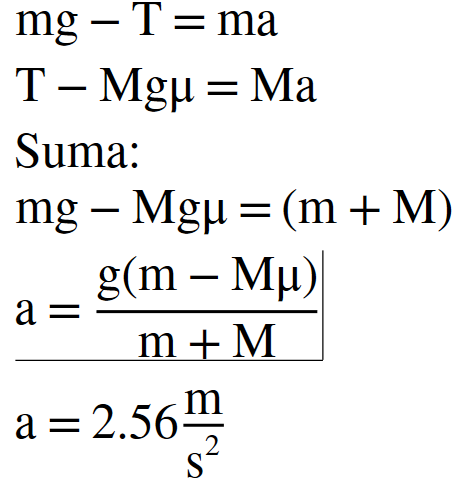 M14-4 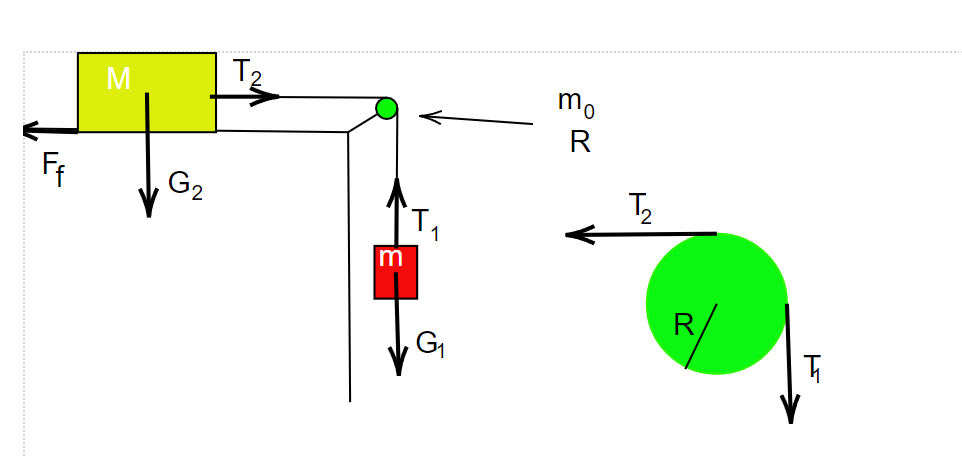 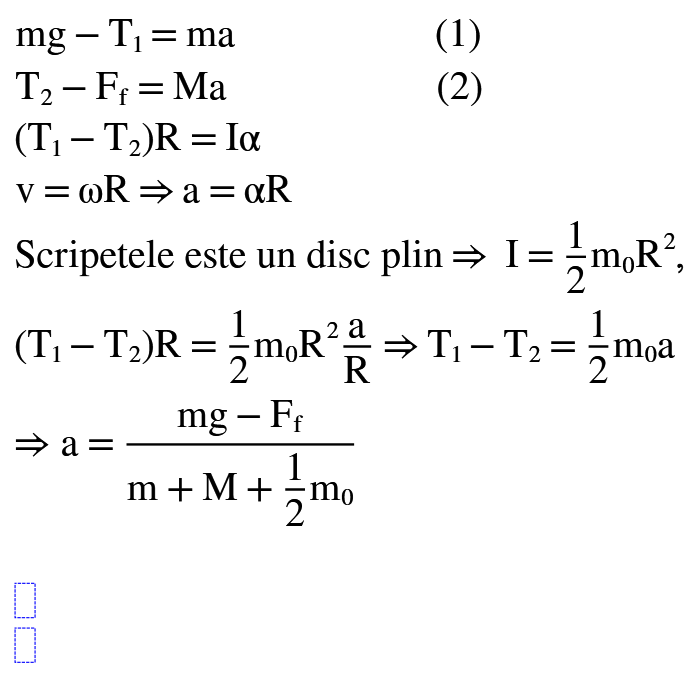 M15 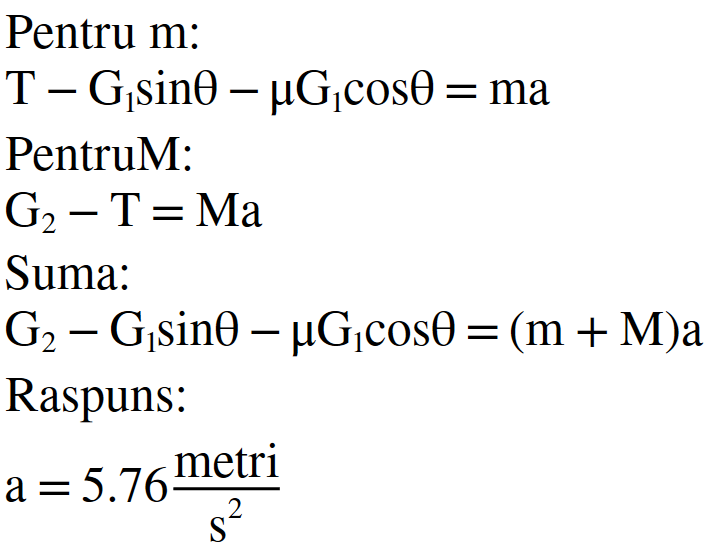 M16 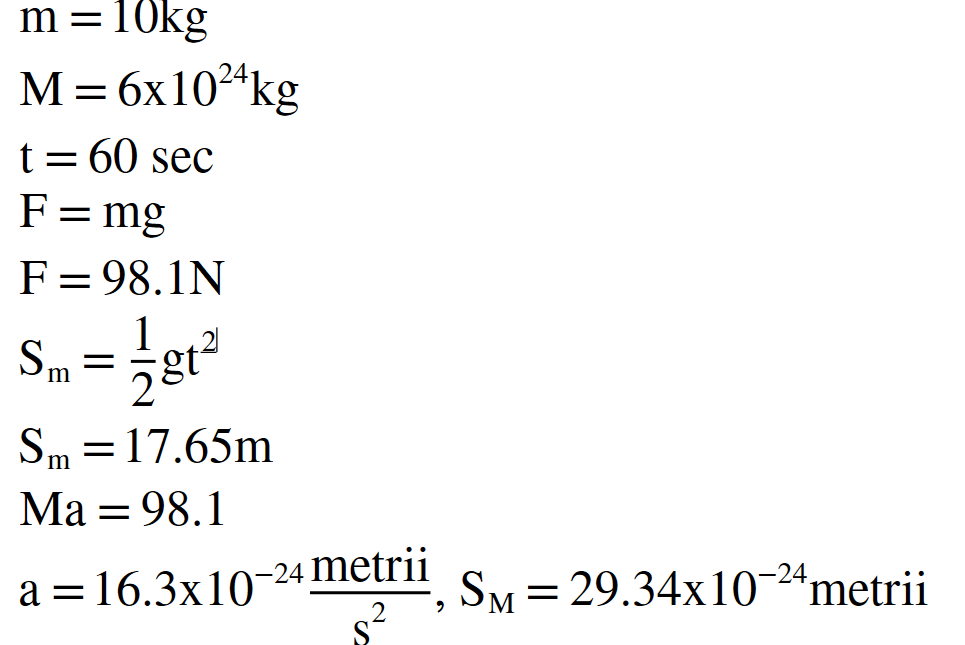 M17-1 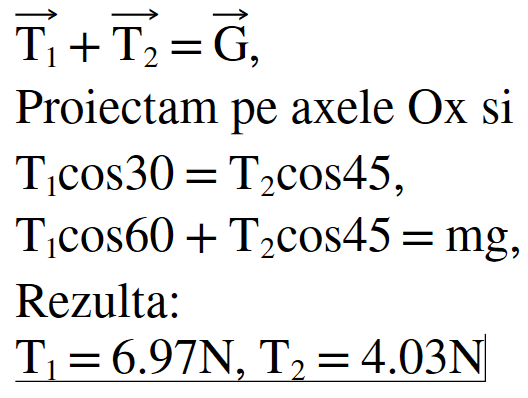 M22 Calatorul vede mingea ca se misca pe verticala. Din sistemul legat de pamint mingea se misca dupa o parabola-din cauza vitezei vagonului. M24 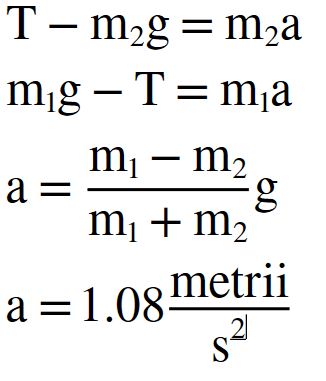 M25 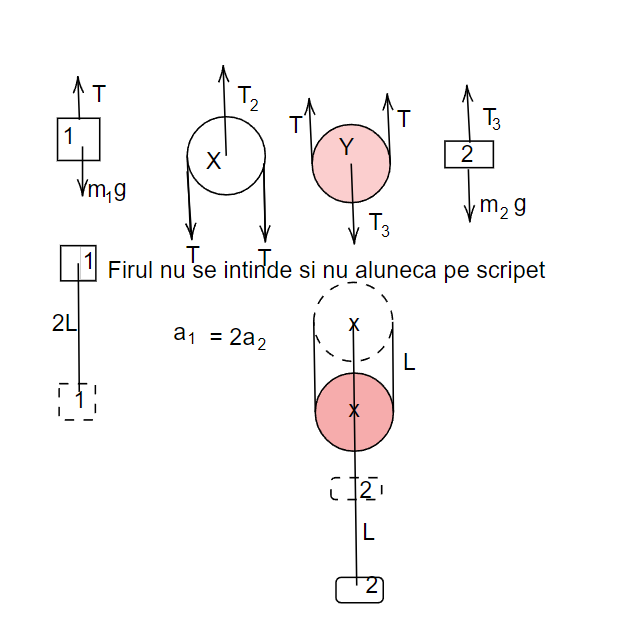 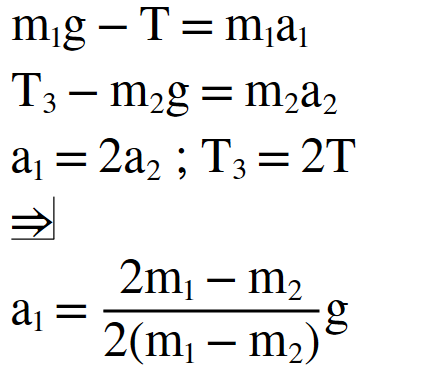 M26-3 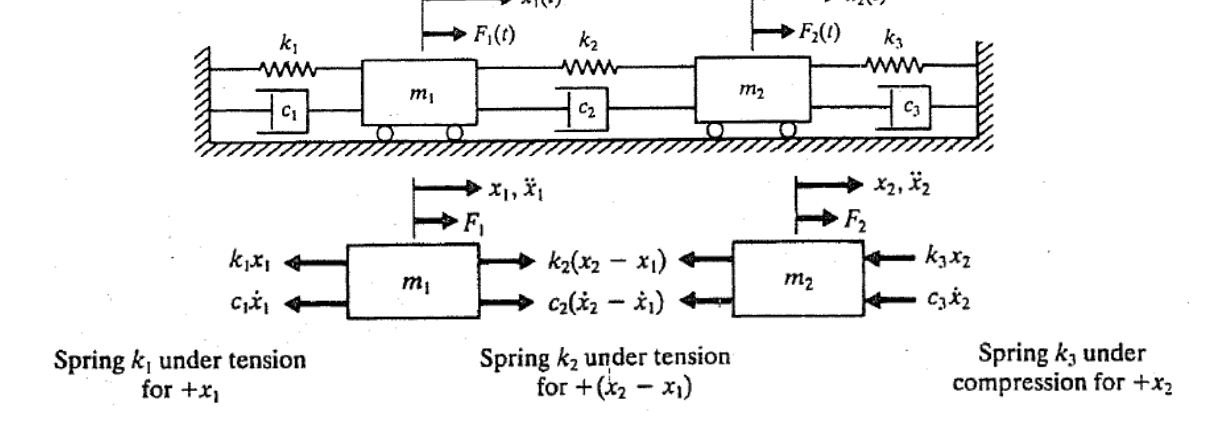  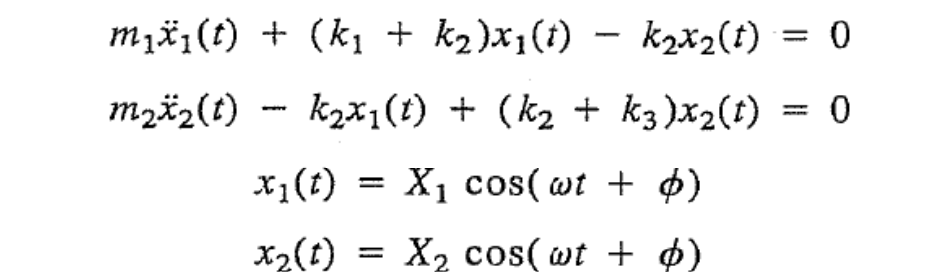 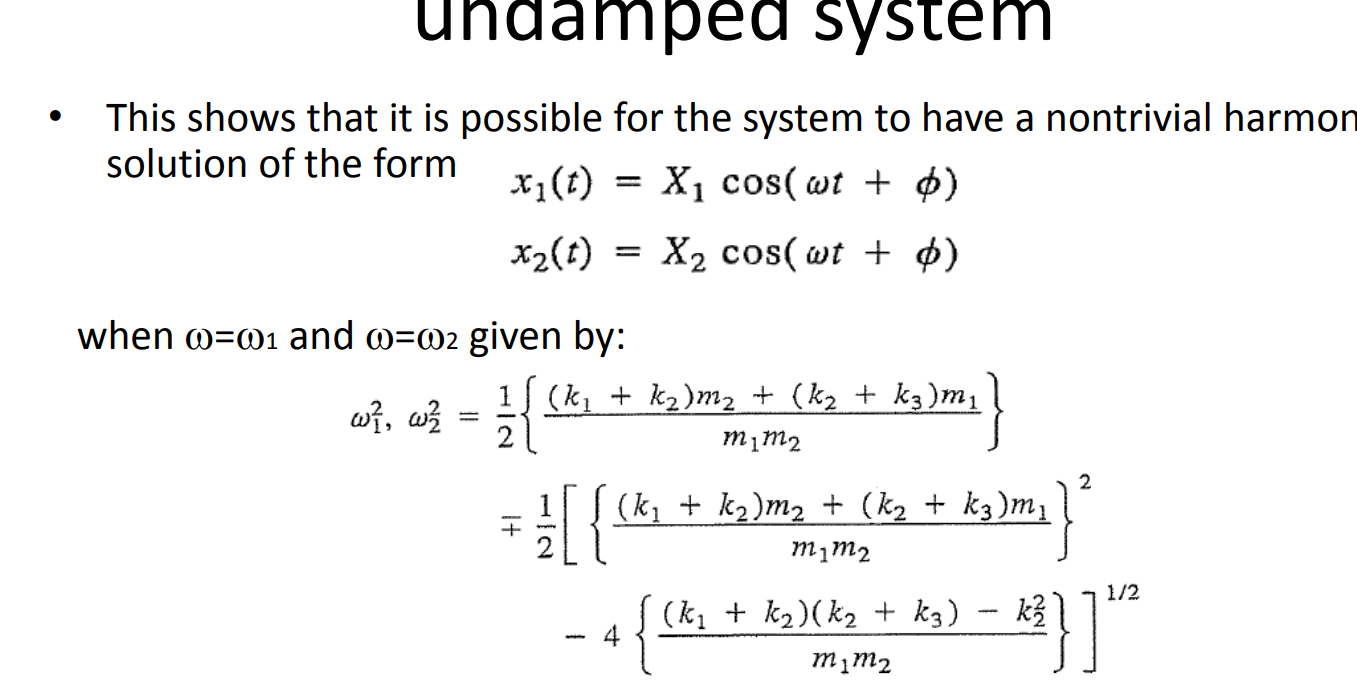 M.x5 a=0.9m/s^2 N1.8 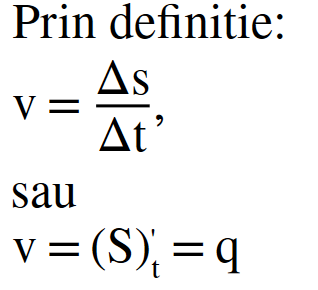 Un1 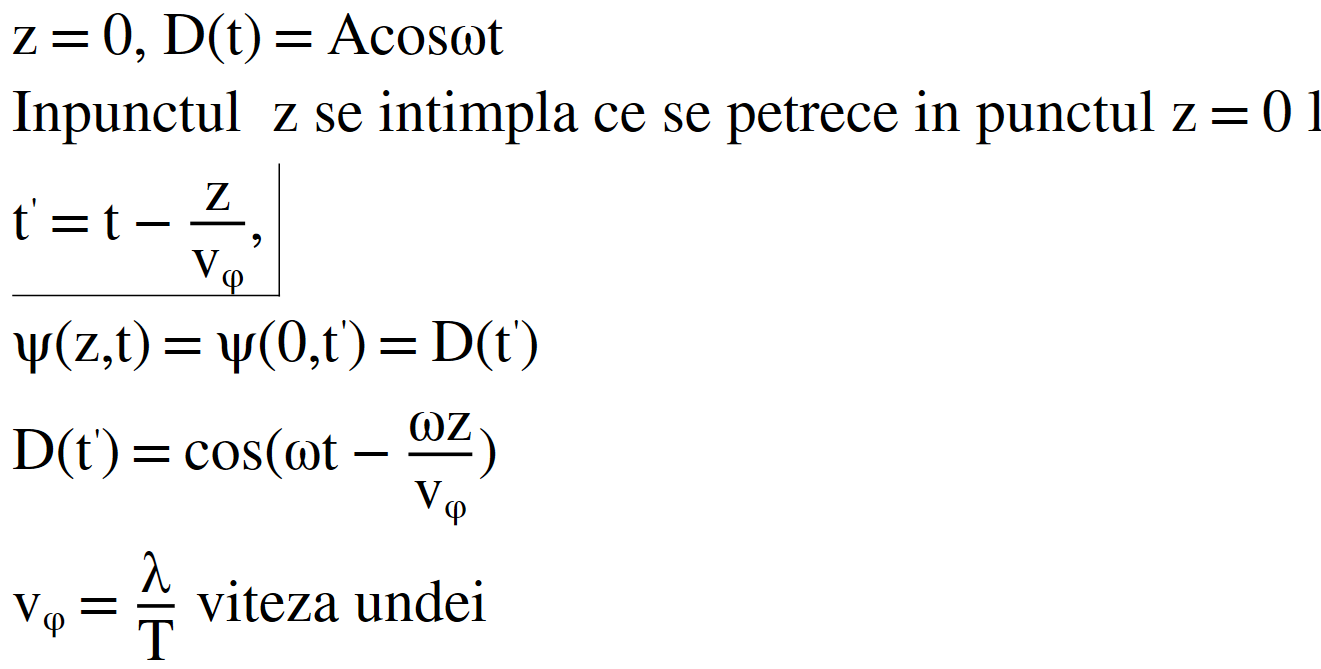 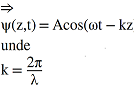 Und2 T=7secunde Und3 ν=0.25 Hz Und4 v=410 mi/hr=180 m/s Und5 t=157 secunde Und6 t=0,0725 s 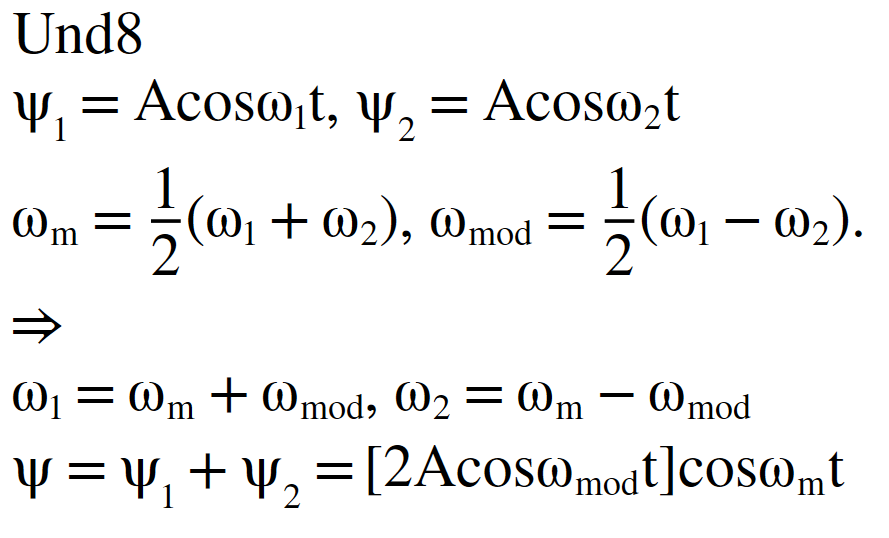 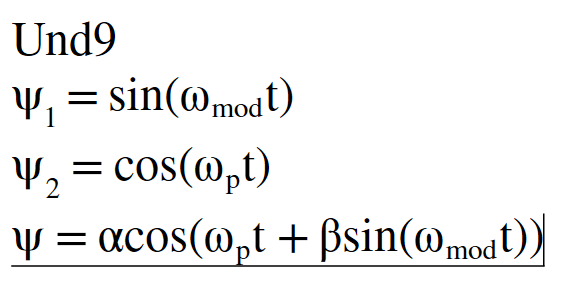 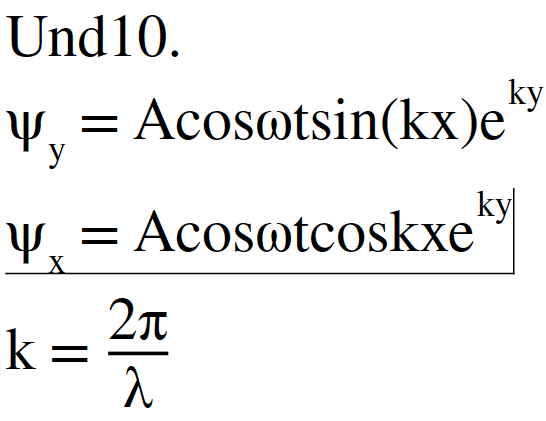 |
|
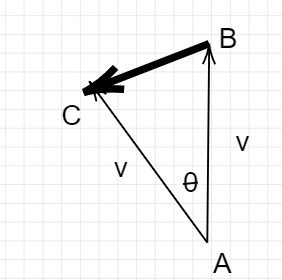
M.x4 d=79.7m |
|
h1  |
h2  |
|
h3  |
h4 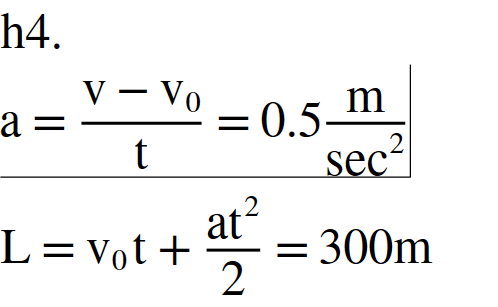 |
|
h5 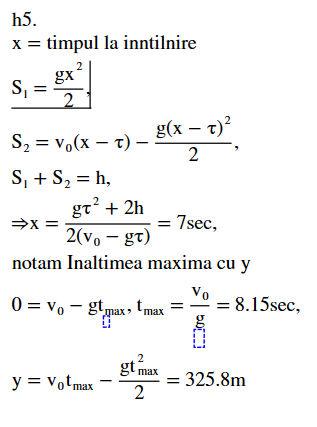 |
h6 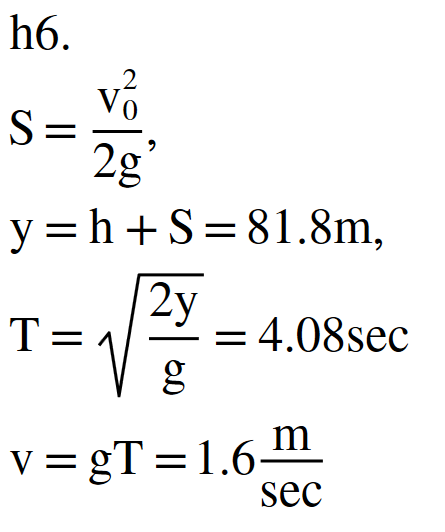 |
|
h7 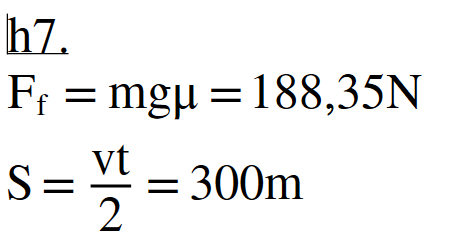 |
h8 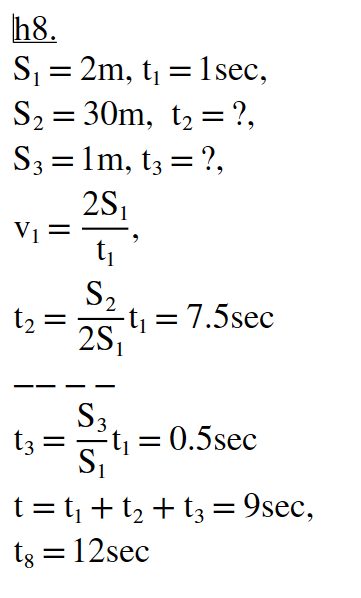 |
|
h9 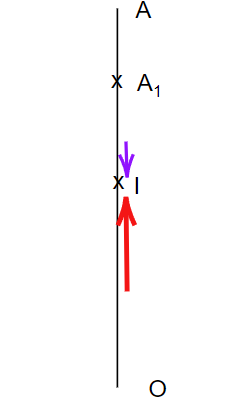 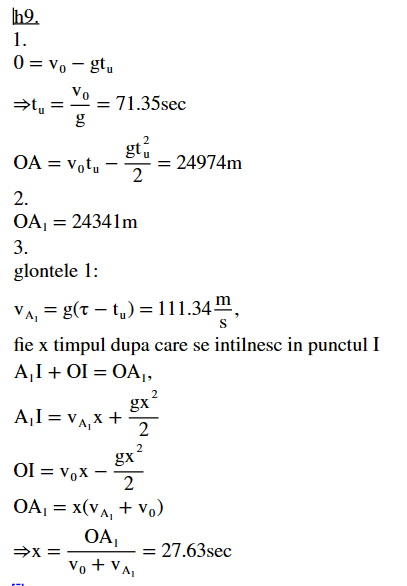 |
h10 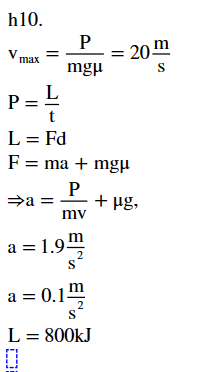 L1 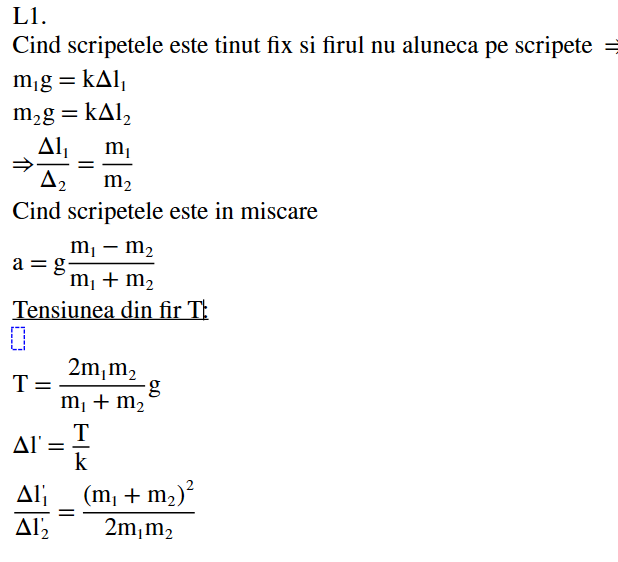 |
SATELITI
|
S5 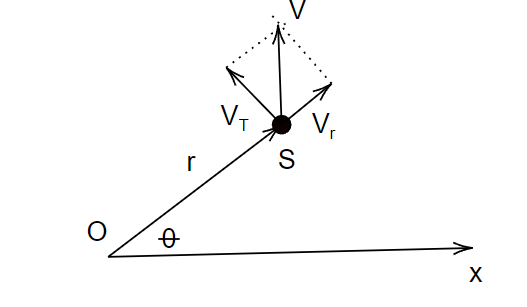 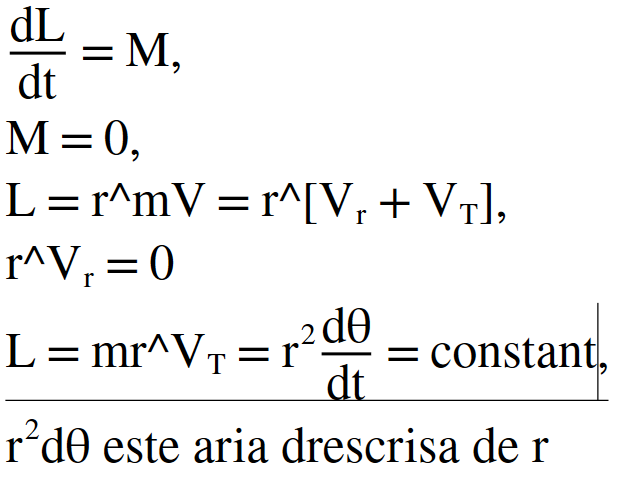 S1 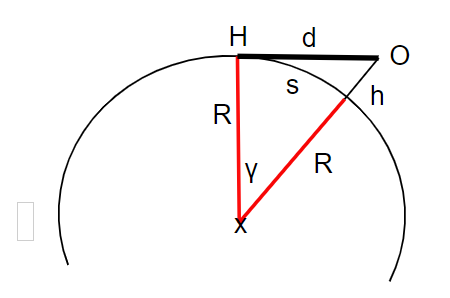  |